
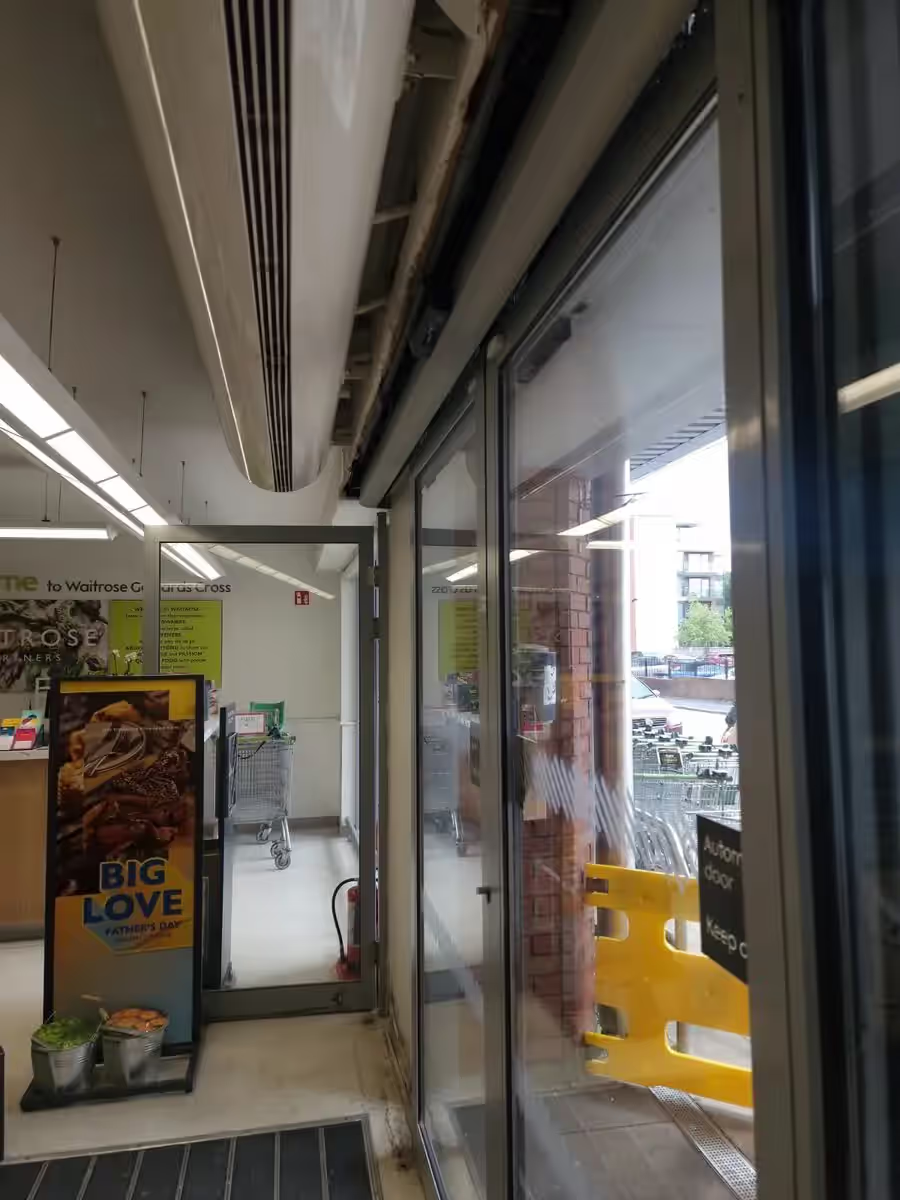
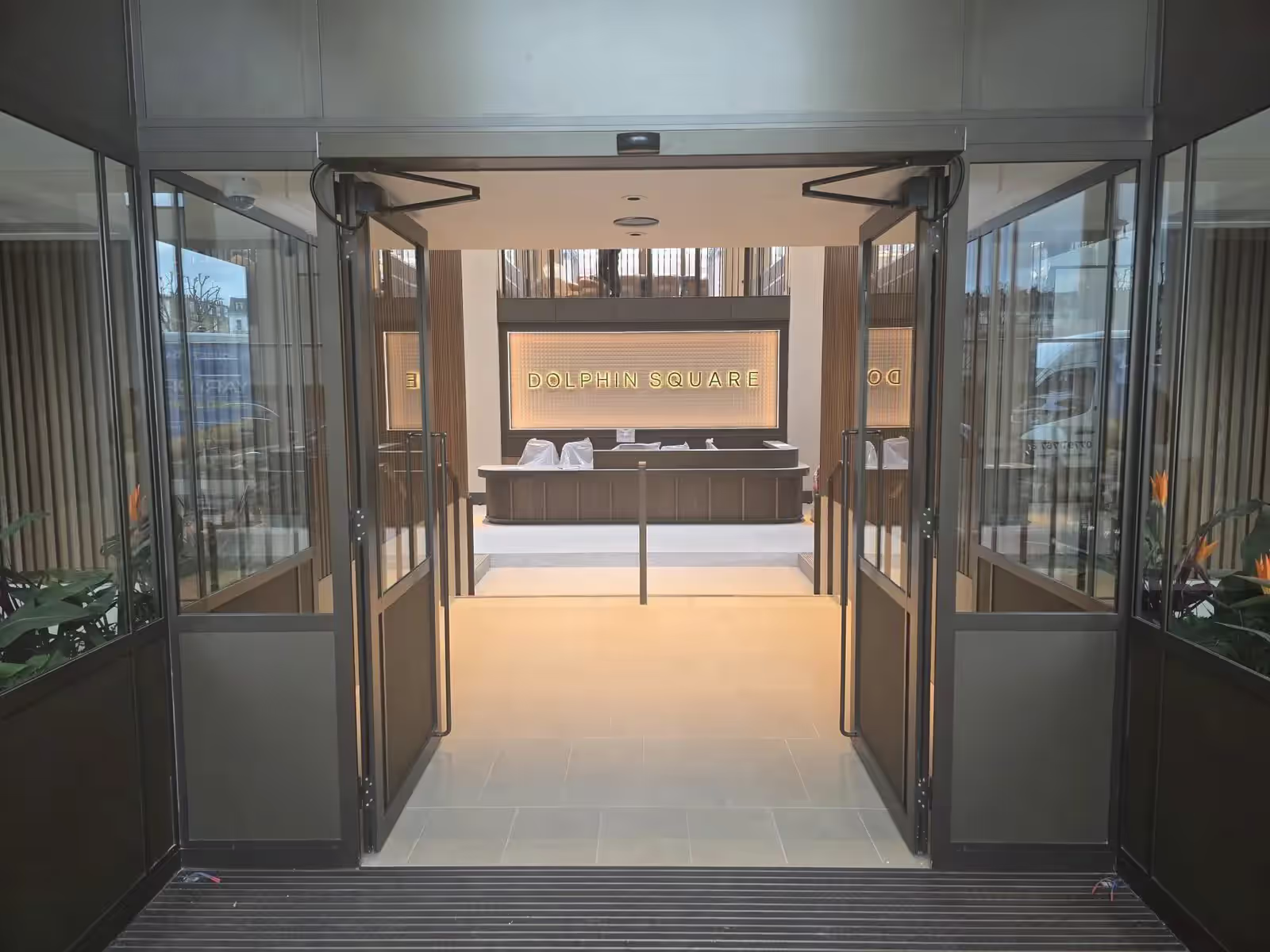
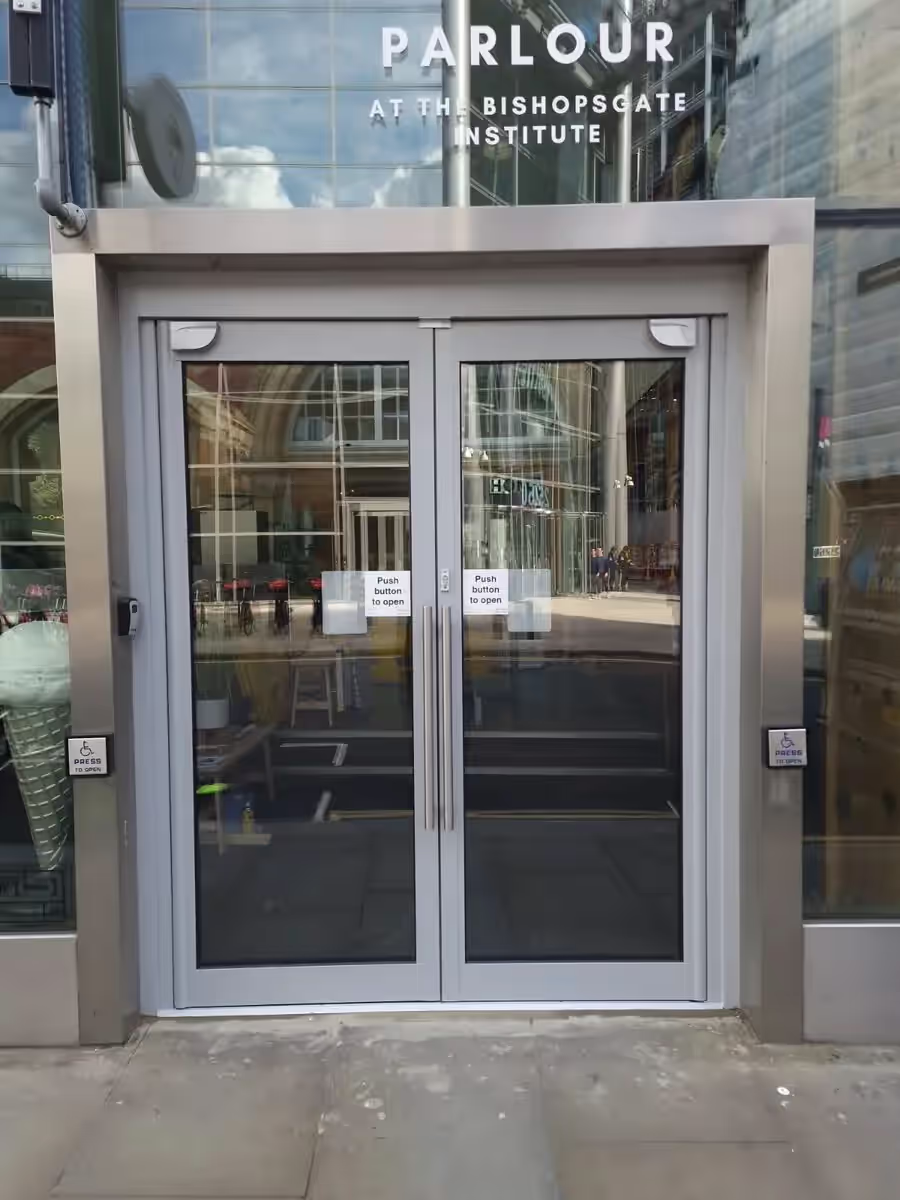
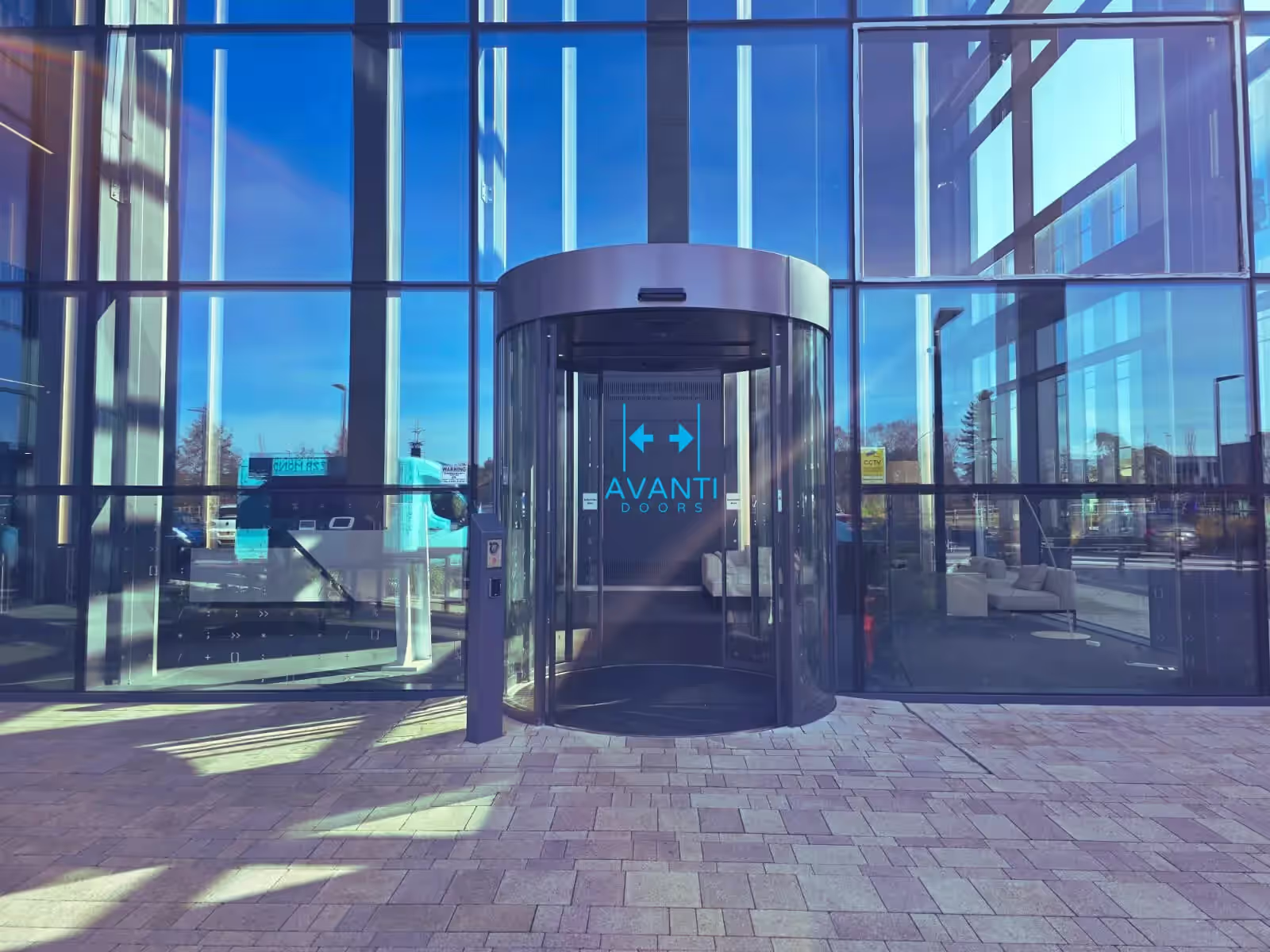
The right automatic entrance balances flow, accessibility, safety and maintenance access. The busiest sites need more than a door that fits the opening; they need a system matched to how people actually move through the building.
Key checks
- 01Start with pedestrian flow, opening width and peak-time queues.
- 02Choose sensors and safety devices around the real approach path.
- 03Plan maintenance access before the operator is installed.
Match the system to movement
Sliding doors suit high-volume straight-through traffic and wide entrances. Swing doors can work well where space is tighter or where the existing leaf can be automated. Revolving doors can help with lobby control where draughts and heat loss matter.
The right answer depends on the building, the users and the pressure points at the busiest times of day.
Safety starts with the approach
Sensors should be specified around how people approach the door, not only the opening itself. Trolleys, mobility aids, delivery traffic, children, queues and cross-traffic all affect the safety zone.
A site survey should consider activation sensors, presence detection, finger protection, emergency operation and the surrounding floor finish.
Think about servicing before handover
High-traffic entrances need regular servicing, so the operator, guides, tracks and controls should be accessible. A system that is difficult to inspect or adjust will cost more to maintain and be harder to fix quickly.
Good specification makes the entrance easier to install, document, inspect and maintain after handover.