
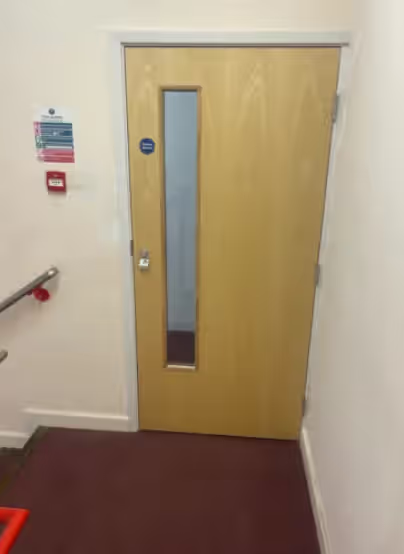
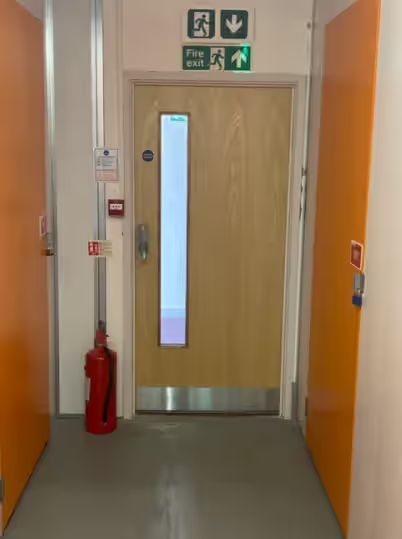
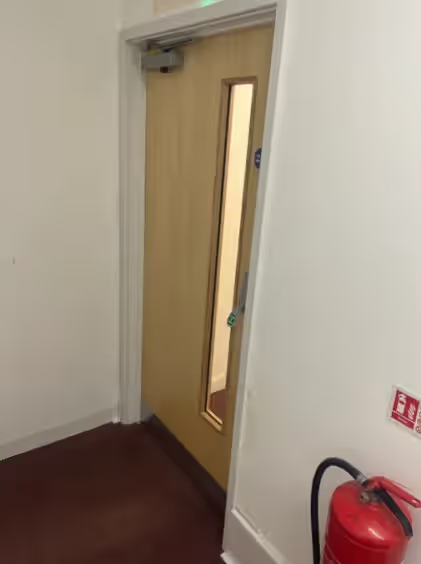
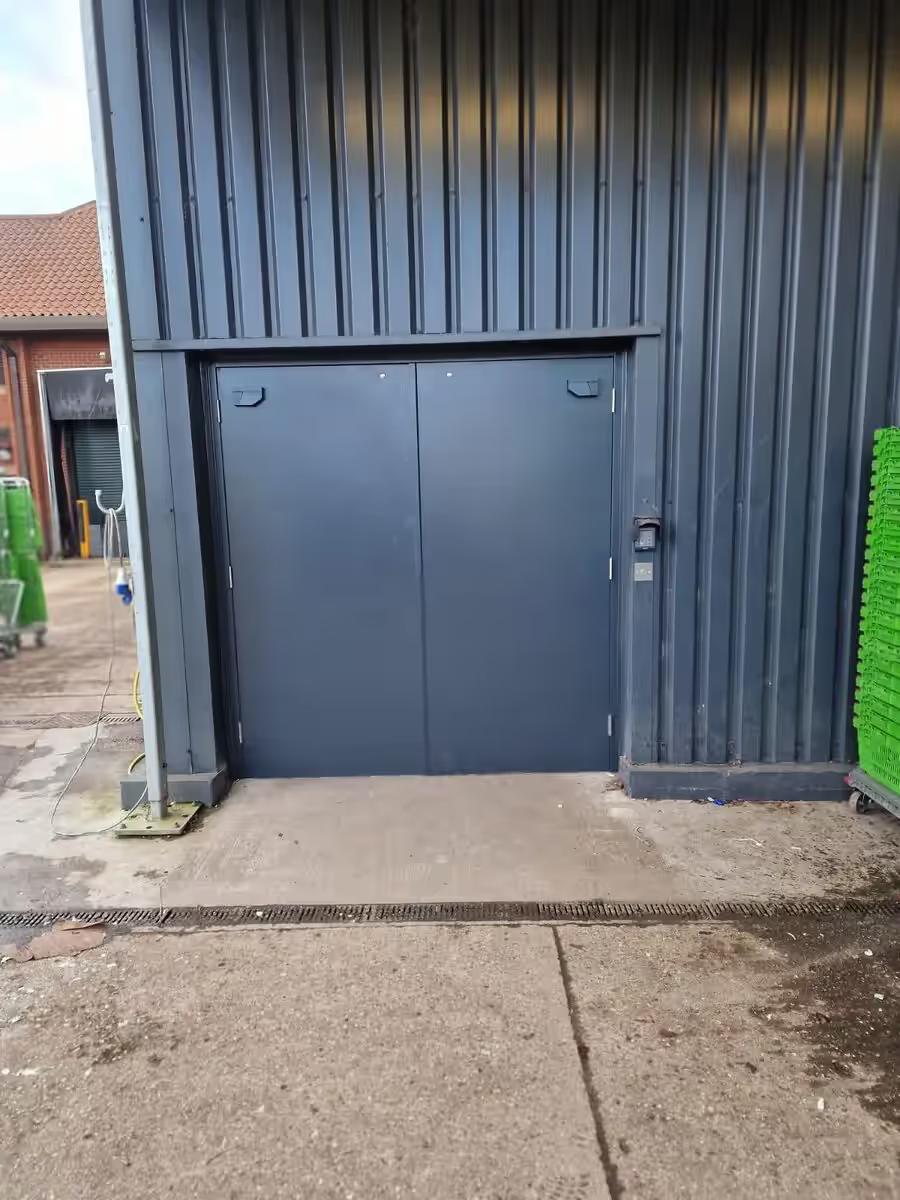
Fire doors are part of the building's safety strategy. They need to close correctly, latch reliably and stay free from damage so escape routes and compartmentation work when they are needed.
Key checks
- 01Inspect closers, hinges, seals, glazing and panic hardware together.
- 02Treat damaged doors and frames as safety issues, not cosmetic snags.
- 03Keep records of checks, repairs and replacement parts.
Keep the escape route working
A compliant fire door must still operate easily during everyday use. If the door drags, fails to latch, slams, sticks open or has damaged panic hardware, the route can become unreliable during an emergency.
Routine checks should confirm that the leaf, frame, threshold and hardware are working as one complete doorset.
Look beyond the door leaf
Closers, hinges, intumescent seals, smoke seals, glazing, signage and access hardware all affect performance. A good inspection checks the complete assembly and flags parts that have been modified or damaged by daily traffic.
Where a door has been forced, wedged, altered or repeatedly hit by trolleys, repair decisions should be made quickly and recorded clearly.
Use records to manage responsibility
Commercial sites change over time. Occupancy, traffic routes, tenants and operating hours all affect how doors are used. Written inspection and repair records help facilities managers show that risks are being managed.
Those records also make future maintenance faster because the engineer can see what has been adjusted, replaced or repeatedly reported before.