
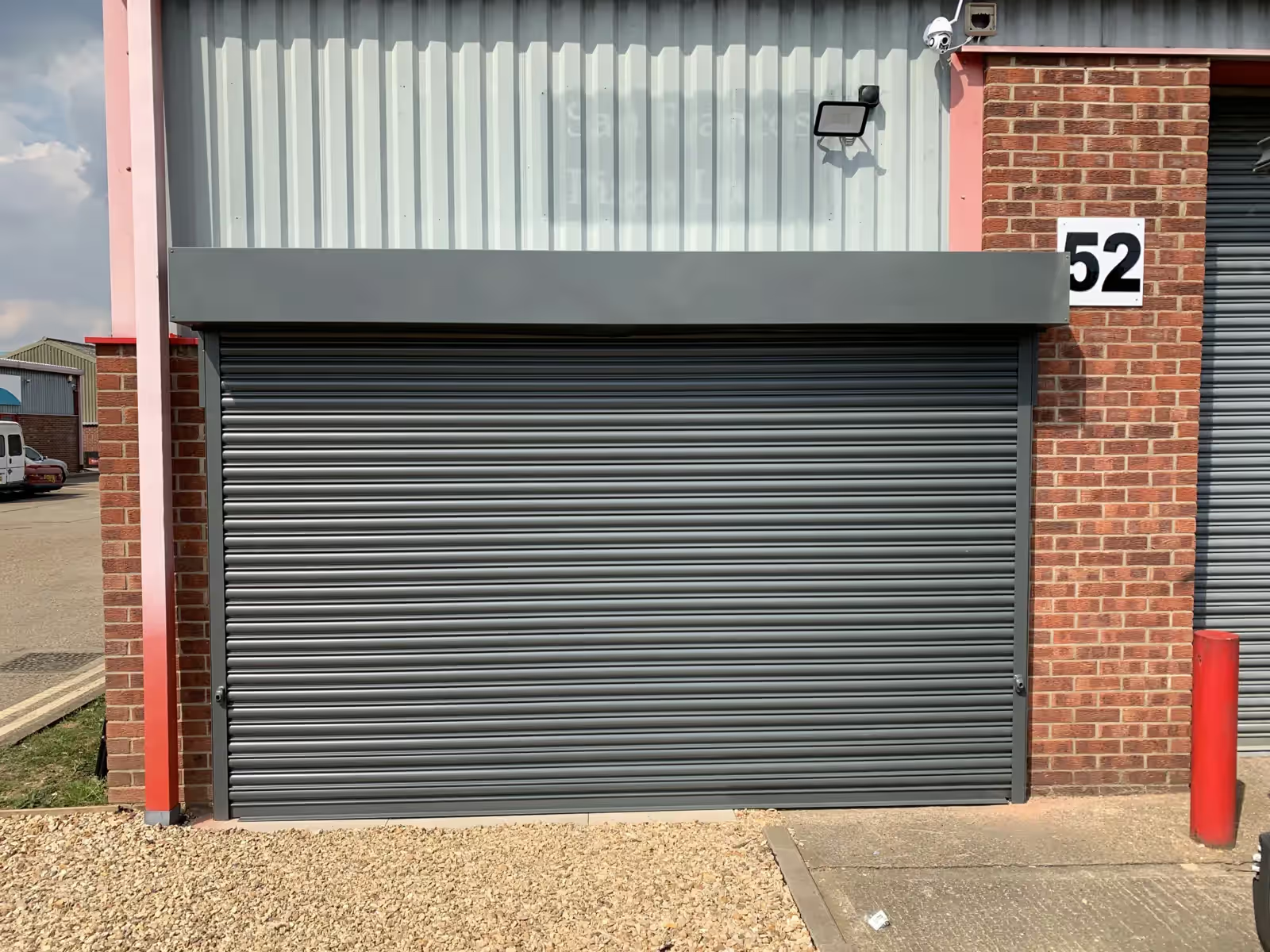
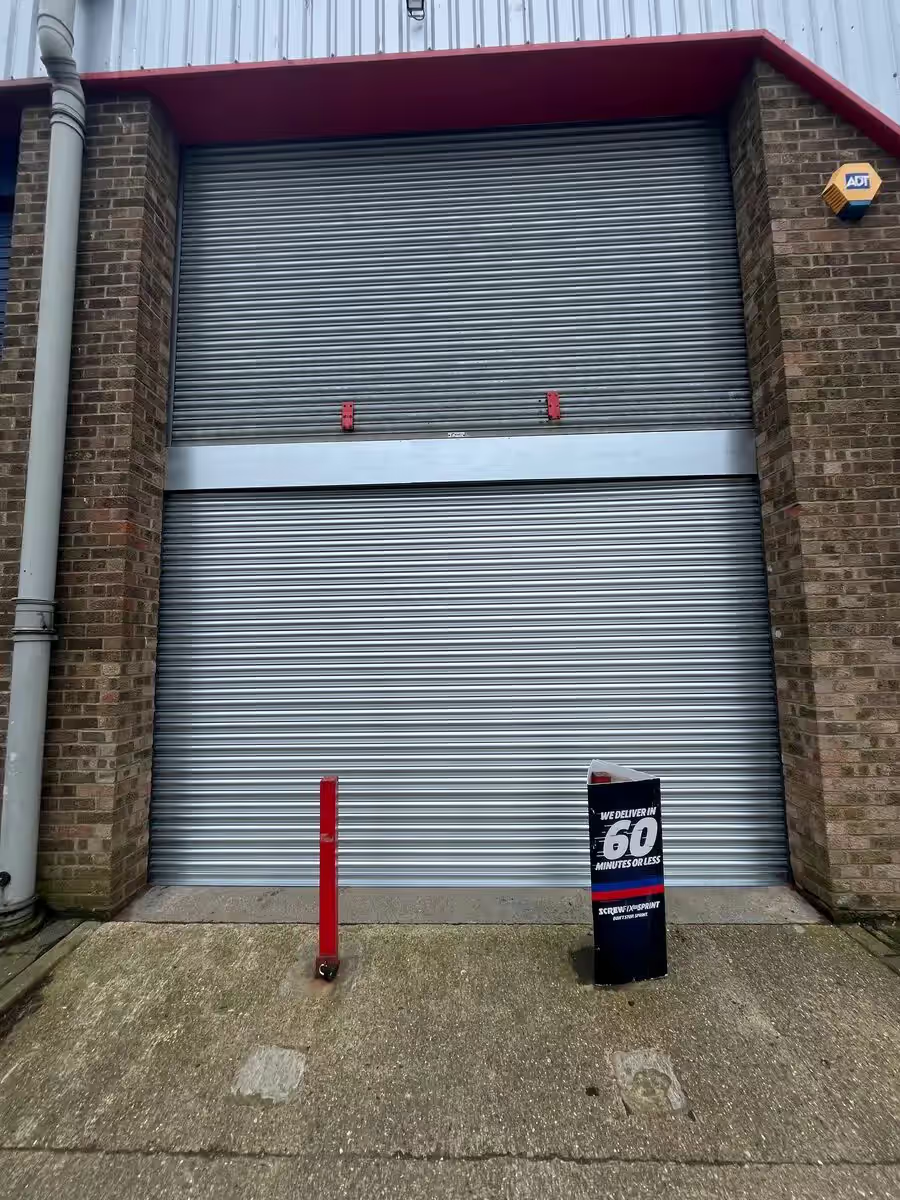
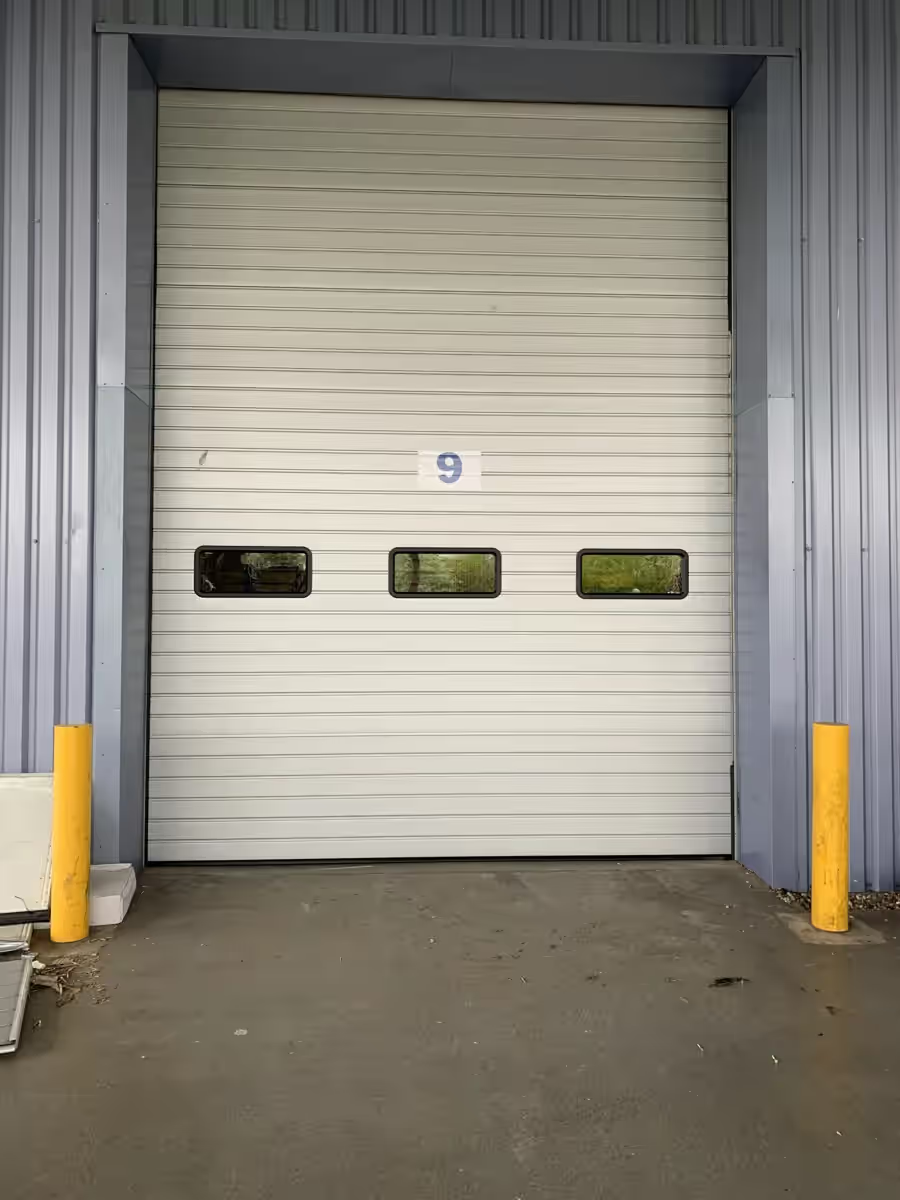

A loading bay door has to do more than close an opening. It needs to work around vehicles, staff, security routines, weather exposure and the pressure of daily goods movement.
Key checks
- 01Match the door type to traffic, opening size and operating frequency.
- 02Plan safety devices around vehicles, pedestrians and dock equipment.
- 03Specify access for servicing before the door is installed.
Start with how the bay is used
A distribution bay, warehouse shutter and workshop opening can all need different door systems. Opening size, vehicle height, speed of operation and the amount of daily use should shape the specification.
The most reliable choice is usually the one that fits the real movement pattern on site, not only the dimensions on a drawing.
Build safety into the layout
Loading bays often mix pedestrians, forklifts, delivery vehicles and tight deadlines. Controls, safety edges, photocells, signage and sight lines all need to be considered together.
A good survey checks the door, the approach, the surrounding structure and how people move around the bay during busy periods.
Keep maintenance practical
Industrial doors are easier to keep reliable when engineers can reach guides, motors, controls and safety devices without disrupting the whole operation.
Planning service access early helps reduce downtime later, especially on sites where the bay is critical to daily trading or dispatch.