

A commercial door rarely fails at a convenient time. Planned maintenance helps identify wear and developing faults before they interrupt trade, deliveries or site security.
Key checks
- 01Set service intervals around traffic levels, not only the calendar.
- 02Keep written records for insurers, auditors and facilities teams.
- 03Use each visit to inspect, adjust and test the components in the agreed scope.
Service around real site usage
A busy retail entrance, hospital corridor or loading-bay shutter does not age at the same rate as a low-use office door. Maintenance plans should reflect daily traffic, operating hours and how exposed the equipment is to weather or impact.
The practical aim is simple: inspect the parts that wear first, tune the door before it drifts out of alignment and replace vulnerable components before they stop the site.
Evidence matters as much as the visit
Facilities teams need a clear record of what was inspected, what was adjusted and what needs follow-up. That service history helps with internal compliance, insurance questions and future troubleshooting.
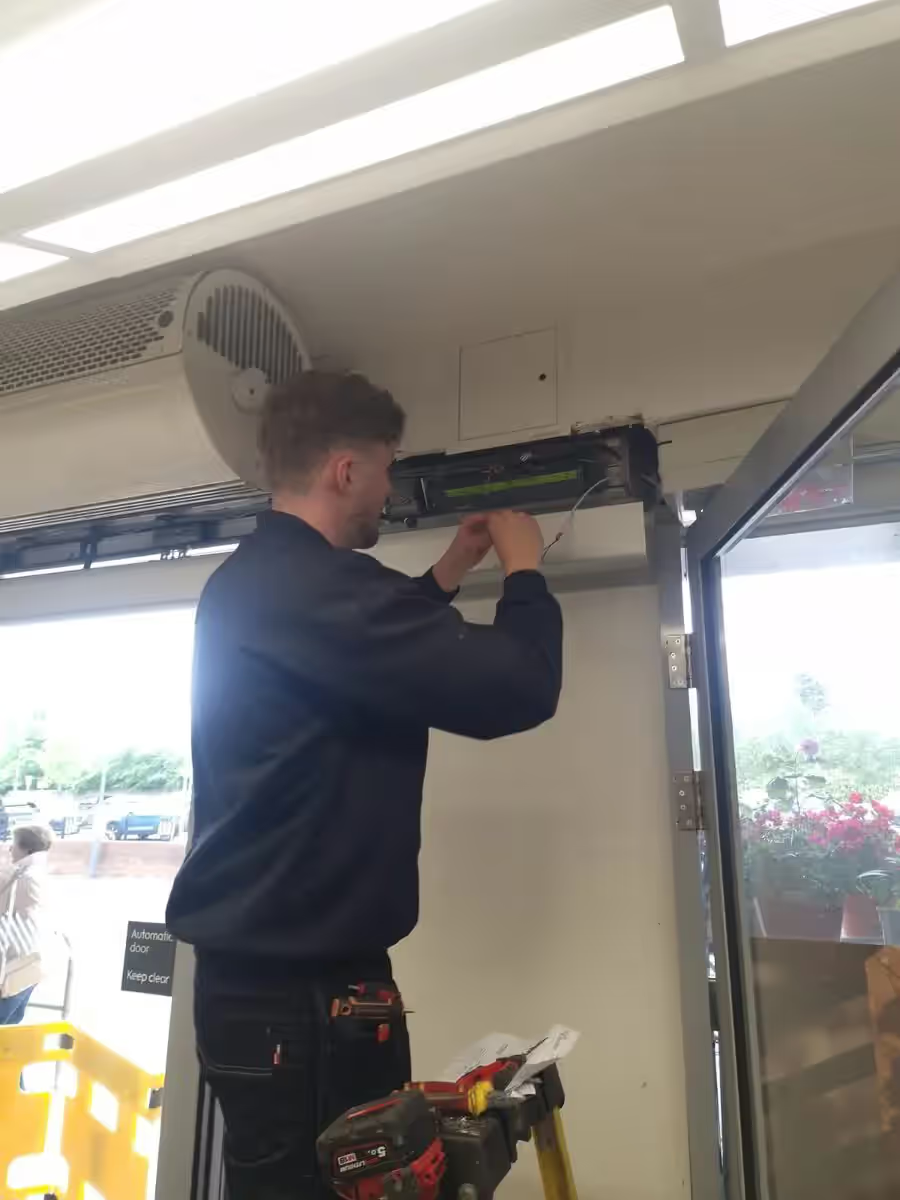
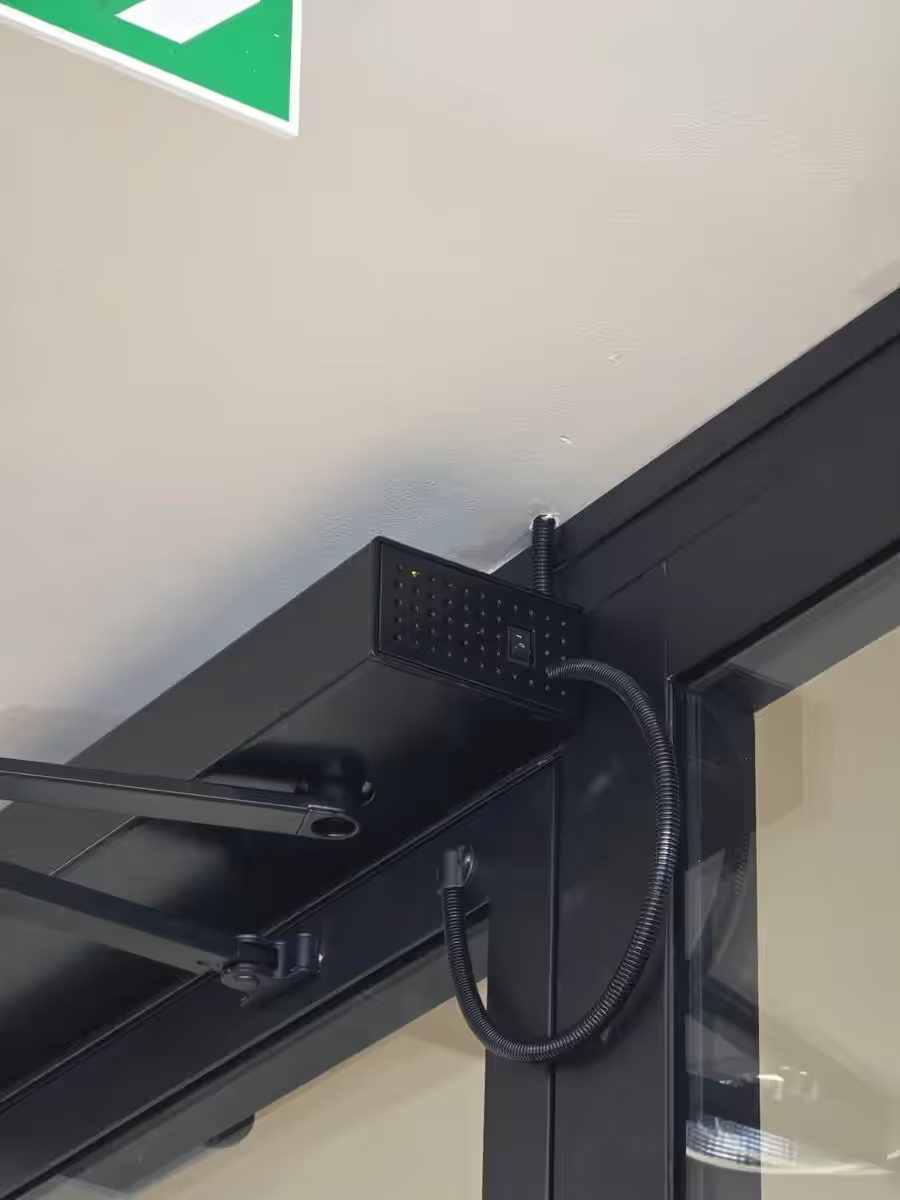
For powered pedestrian doors, documented sensor, force and safety checks also help demonstrate that the entrance is being managed as working safety equipment.
Small adjustments can reduce reactive call-outs
Many disruptive faults start with warning signs: a noisy roller, a loose guide, an intermittent sensor, a worn belt or an operator starting to strain. Regular visits give the site an opportunity to identify and plan follow-up work on those signs.
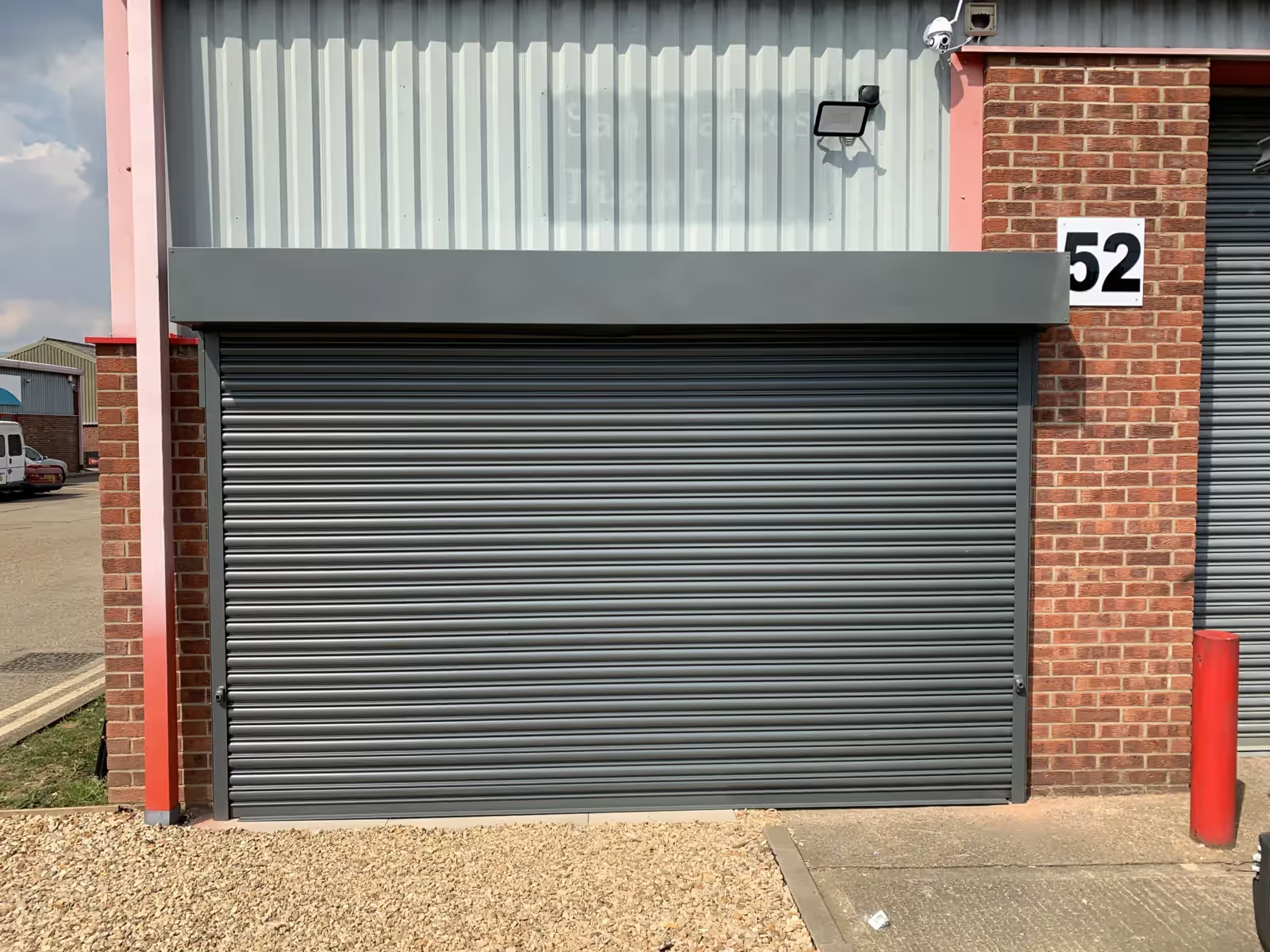
A planned visit is easier to schedule than an unexpected locked-shut entrance or a shutter that will not secure at closing time.