
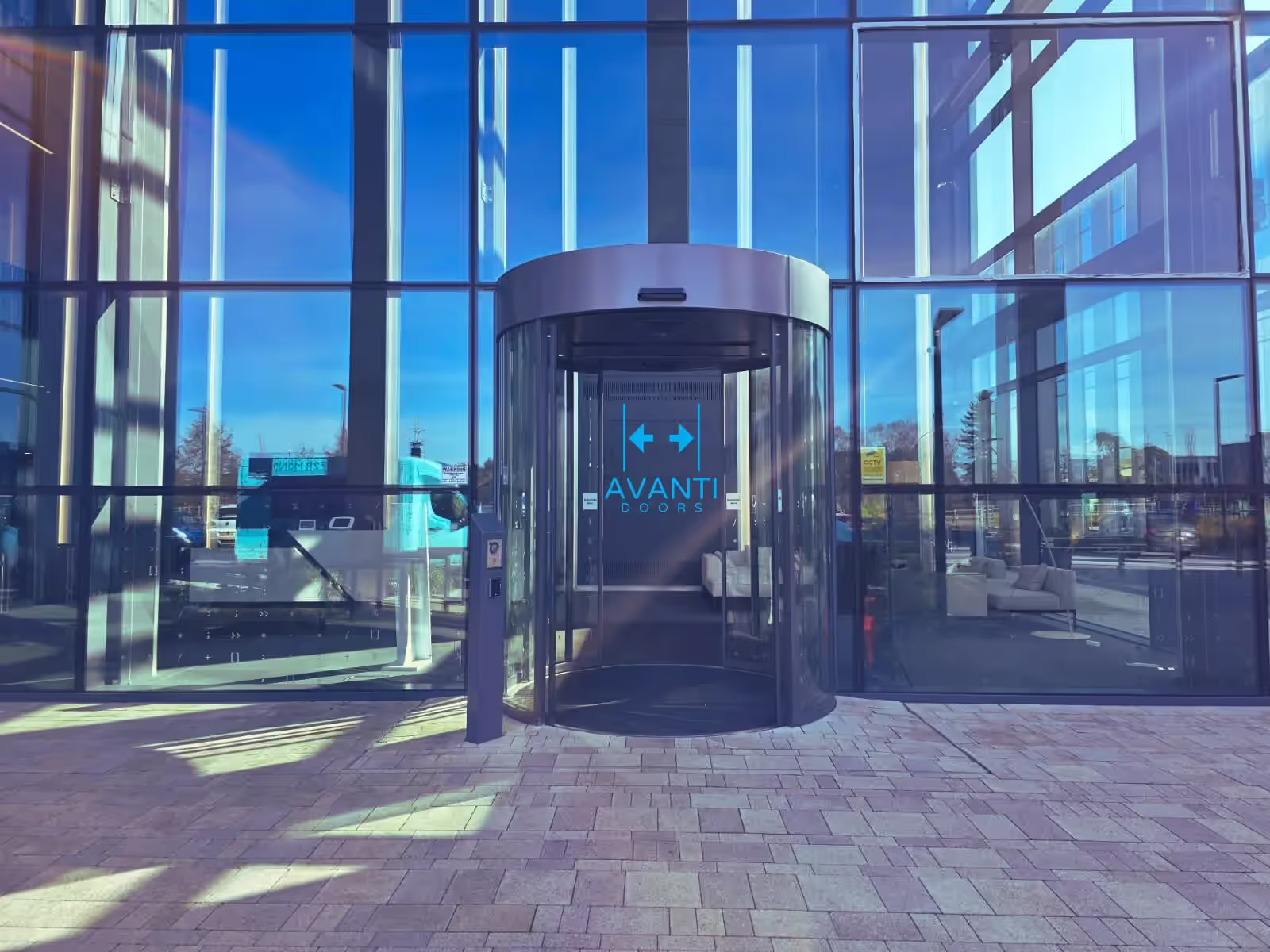
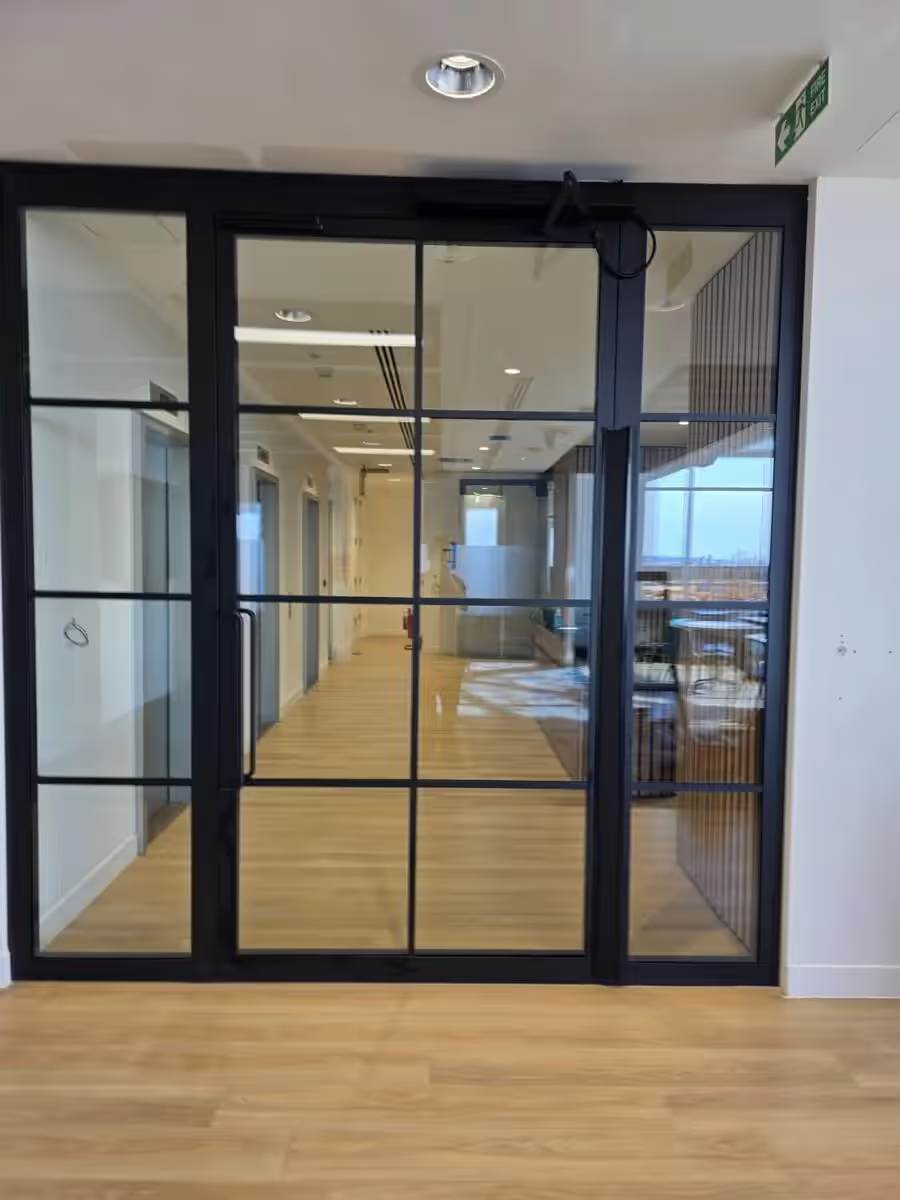
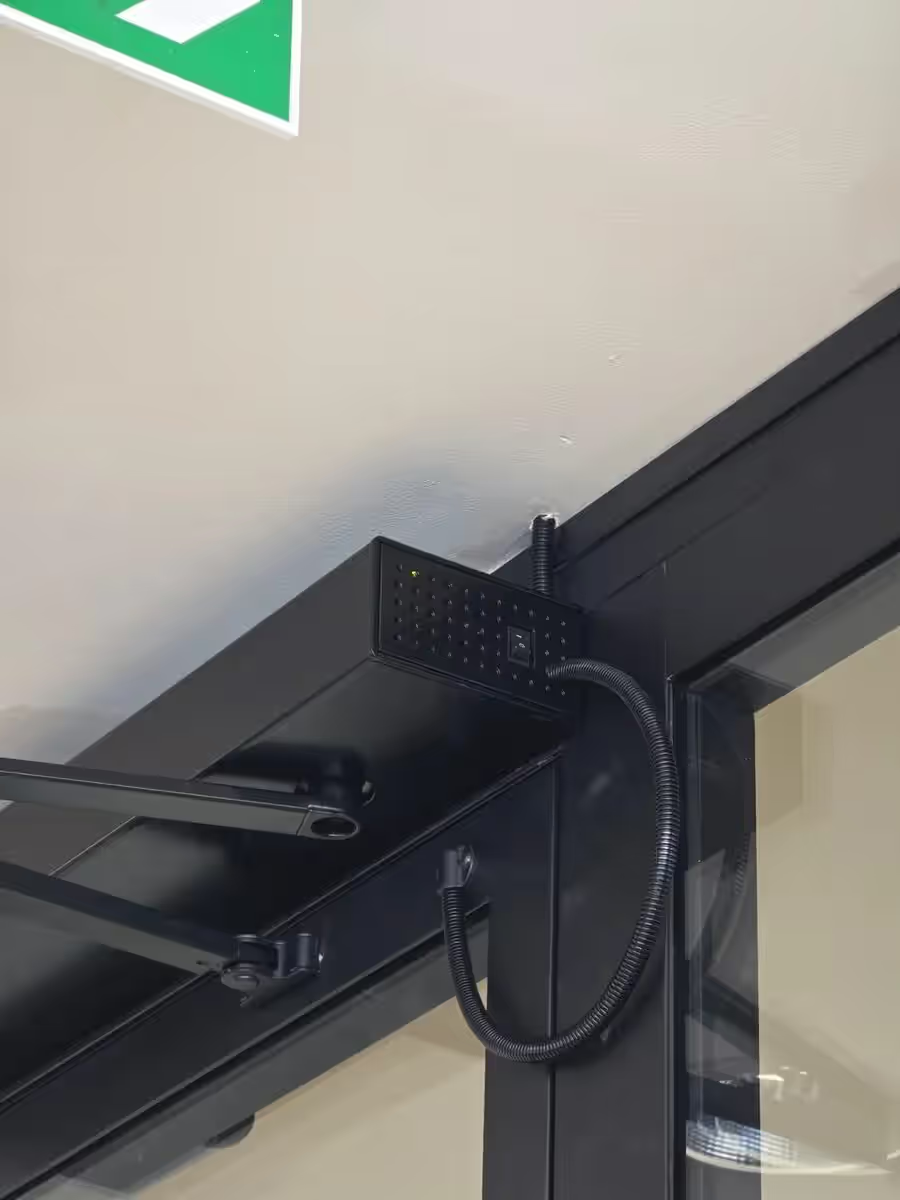
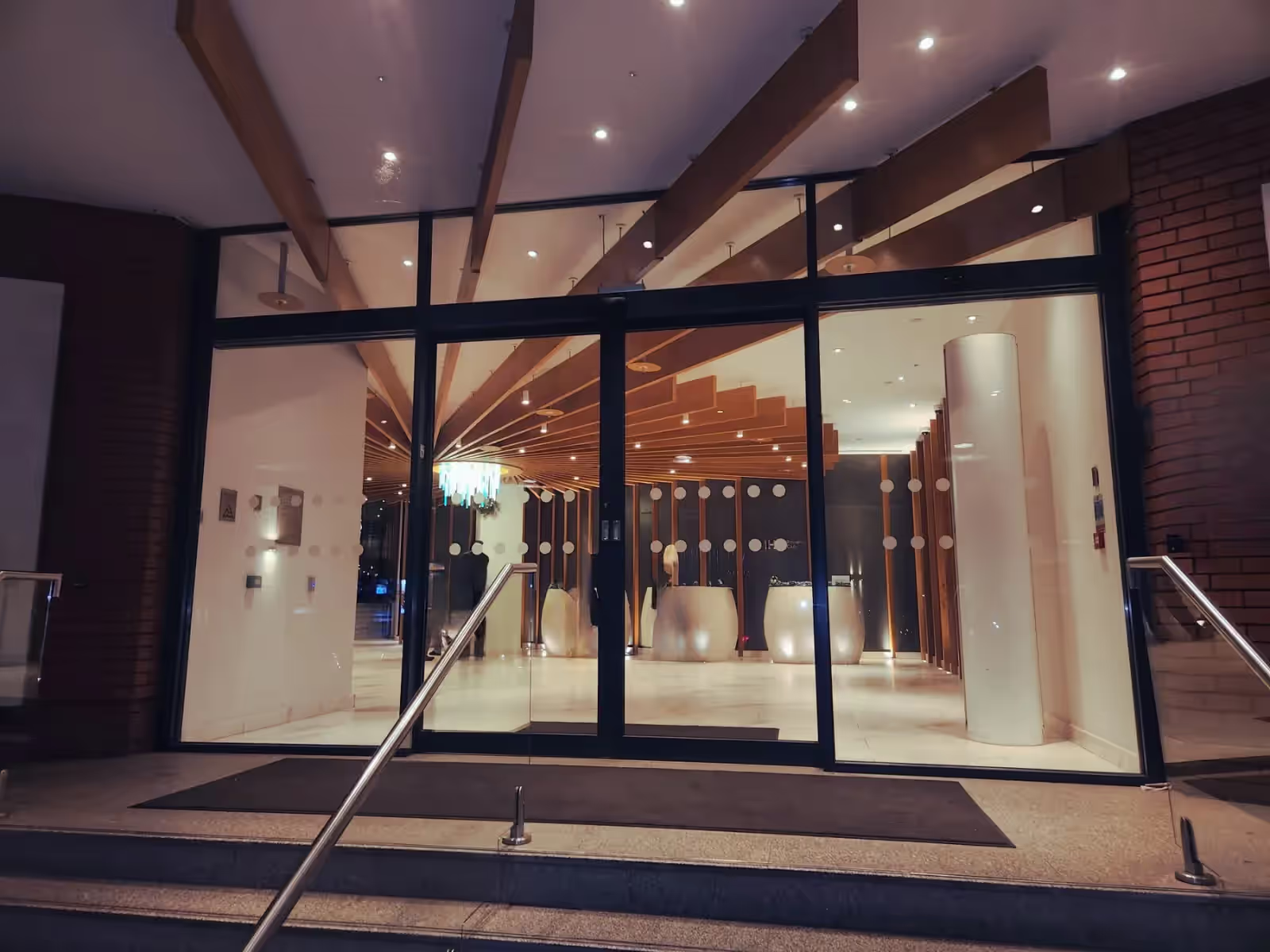
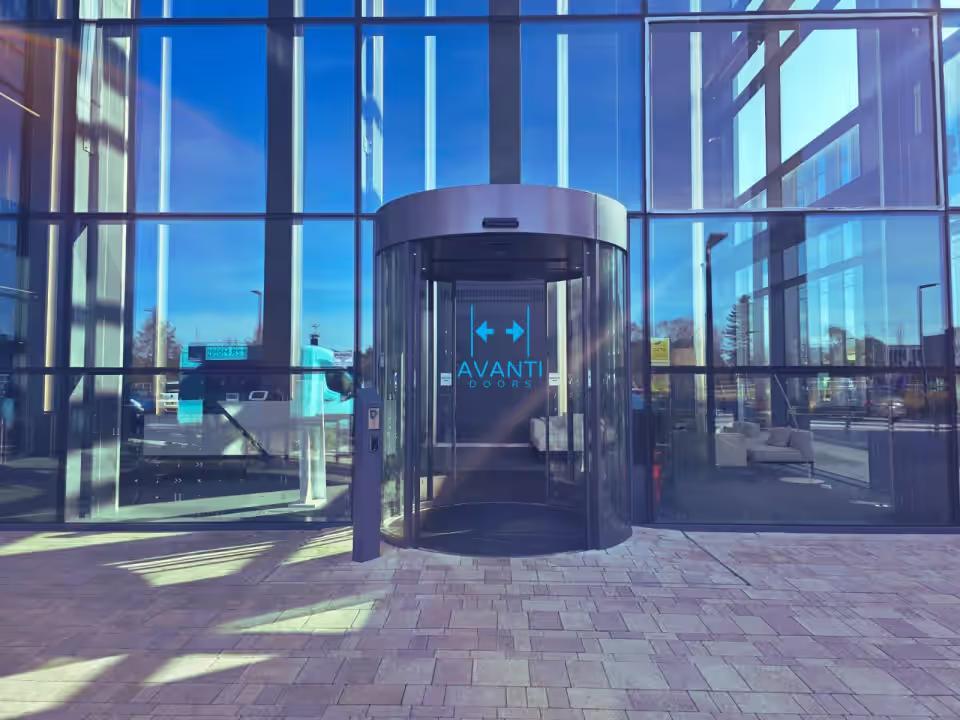
Most revolving door call-outs start with the door stopping, slowing down or refusing to turn. Often the door is doing exactly what its safety system is designed to do, because a sensor has been triggered, knocked out of line or dirtied. This guide covers the common symptoms, what an engineer checks, how often to service, and why the pass door next to the drum matters as much as the drum itself.
Key checks
- 01A door that keeps stopping usually has a safety sensor problem. Never bypass it.
- 02Powered revolving doors fall under BS EN 16005; service to the manufacturer's schedule.
- 03Revolving doors are not an accessible route or a normal escape door without a pass door.
Why revolving doors stop
A powered revolving door is designed to slow or stop when something is in the way. Manufacturer Boon Edam describes safety features in the door panels and frame that let the door "slow down or stop when necessary", including sensors along the top of the wings and at the edges. When those sensors are dirty, misaligned or damaged, the door stops for no visible reason, again and again.
The temptation is to turn the sensitivity down or bridge the sensor to keep people moving. Don't. HSE's Approved Code of Practice expects powered doors to have features that stop them striking or trapping people, and ADSA, the automatic door trade body, says a technician must stop an unsafe door from operating rather than leave it running.
Common symptoms and what an engineer checks
Stops or reverses constantly: the engineer cleans, realigns and tests each safety sensor and rail, then checks the detection zones against the manufacturer's settings.
Runs slowly all the time or will not start: the door may be in a reduced-speed or stopped mode, an emergency stop may be active, or a fault on a safety device may be holding it. The controller's fault log usually says which.
Noise, judder or uneven speed: typical items in a manufacturer's service schedule include the drive unit, bearings and the drum's alignment, so this is checked rather than lubricated and left.
Draughts or dust getting through: worn brushes and seals defeat the main reason for fitting a revolving door, which is keeping the lobby sealed. They are wear parts and are replaced as part of servicing.
Cracked or replaced glass: ADSA notes that under BS EN 16005:2023, plain float glass and wired glass are not suitable, so replacement glazing has to meet the standard, not just fit the frame.
Manual revolving doors need extra care
Powered revolving doors are covered by BS EN 16005. Manual ones are not covered by an equivalent safety standard. A BSI committee note warns that "there is no standard covering the safety of use of manual revolvers" and that, installed without the right measures, they "can rotate at high speeds" and cause significant injuries.
If your building has a manual revolving door, speed control and safeguarding deserve the same attention on every visit as the sensors on a powered one.
The pass door is part of the entrance
A revolving drum is not the accessible way in. Approved Document M says revolving doors "are not considered accessible" and that where one is used, an accessible door should be provided "immediately adjacent to it" and signed. In practice that is usually an automatic swing or sliding pass door.
The same door often carries the escape role. Approved Document B sets conditions for revolving doors placed across escape routes, such as a failsafe arrangement or a normal swing door immediately beside them, and government fire risk guidance says revolving doors "should not normally be considered as escape doors unless the leaves fold outward to form a clear opening upon pressure from within". Service the pass door as seriously as the drum: when it fails, the entrance fails.
How often to service a revolving door
BSI confirms that BS EN 16005 covers power operated revolving doorsets, and the 2023 edition added safeguarding and a test specific to revolving doors. Maintenance follows the manufacturer's schedule, and industry guidance on the standard recommends checking safety functions at least once a year. A busy office or hotel lobby usually warrants more frequent visits.
Our guide to how often automatic doors should be serviced covers the law and intervals in full, and the maintenance contracts page shows how planned visits are scheduled. For a door that is out of action now, go to repairs or, if the building cannot be secured, the emergency page.