
Automatic Barriers
Rising-Arm Barriers
Fast, unattended vehicle control for car parks, gatehouses and site entrances, supplied, installed with loops and safety devices, serviced and repaired.
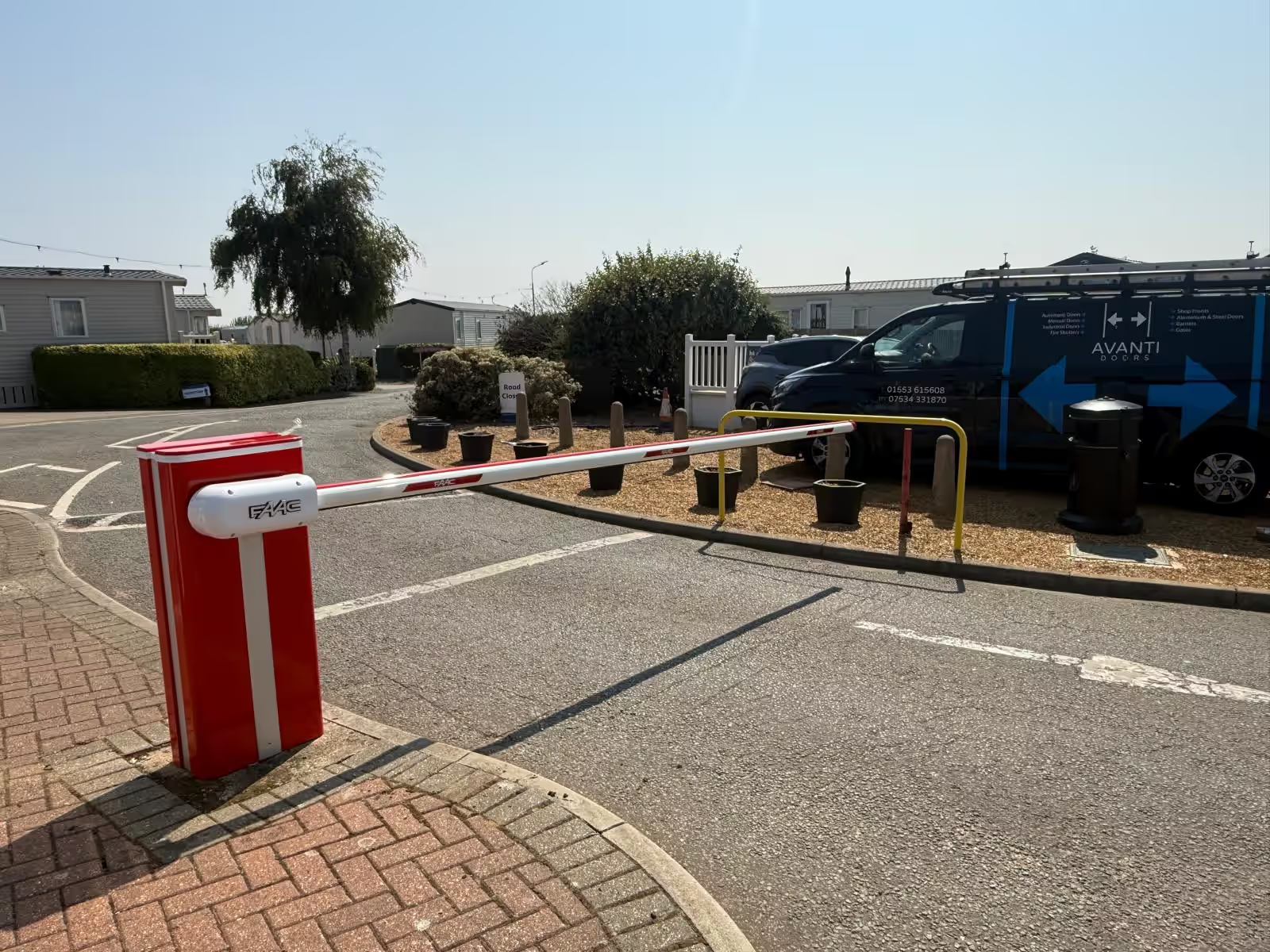
Rising-arm barriers
Vehicle control at traffic speed
A rising-arm barrier is the fastest way to control vehicles: the arm cycles in seconds, handles hundreds of movements a day, and holds a queue politely where a gate would crawl. Car parks, gatehouses, leisure resorts and logistics entrances run on them. Avanti Doors supplies, installs, services and repairs rising-arm barriers, FAAC and equivalent systems, with the loops, detection and access control that make them work unattended, across the UK from our Norfolk base.
Where they fit
Car parks, gatehouses and every managed entrance
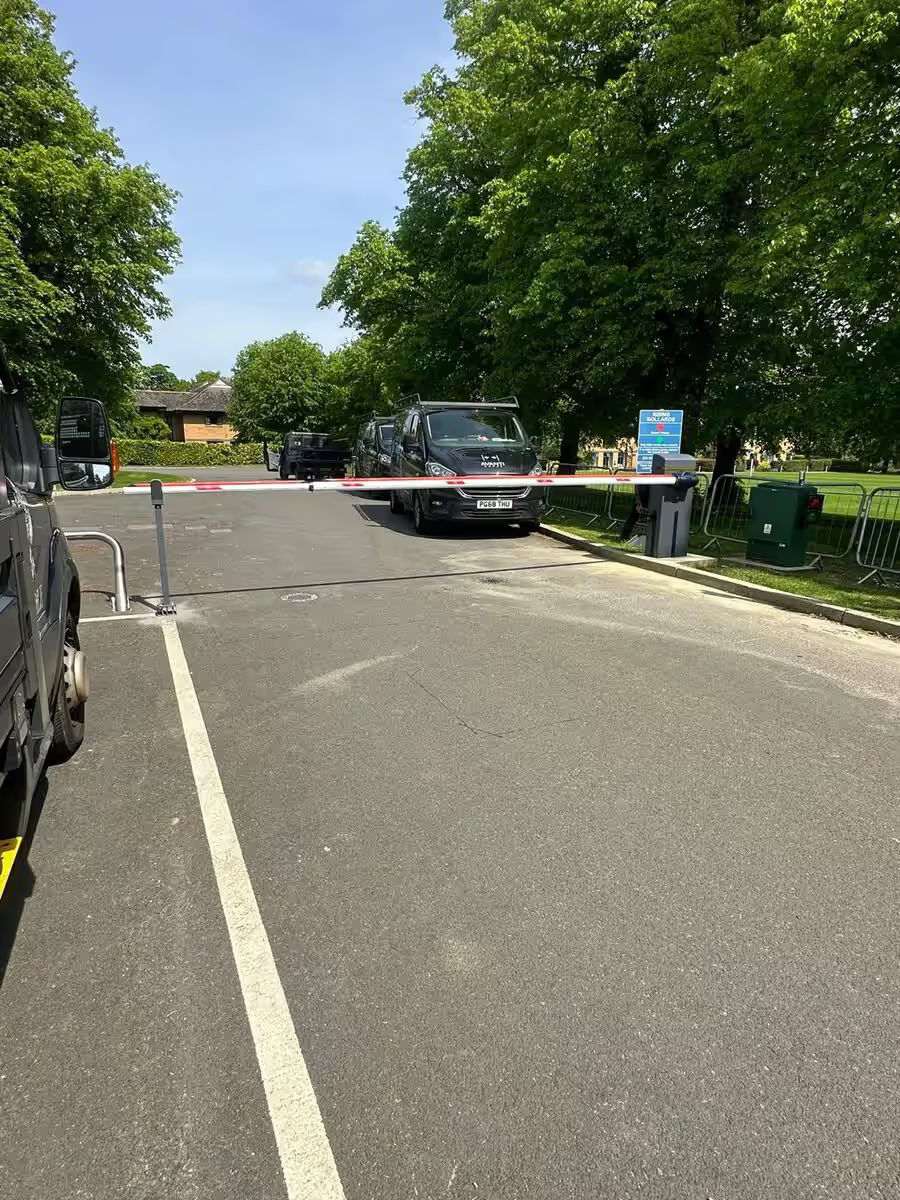
Barriers belong wherever vehicles must be counted, charged, checked or queued: staff and visitor car parks, holiday parks and leisure resorts, gatehouse-controlled depots, hospital drop-off lanes and residents' parking. Because the arm cycles in seconds and closes behind every vehicle, one lane handles traffic that would overwhelm a gate, and the induction loops make the whole thing unattended.
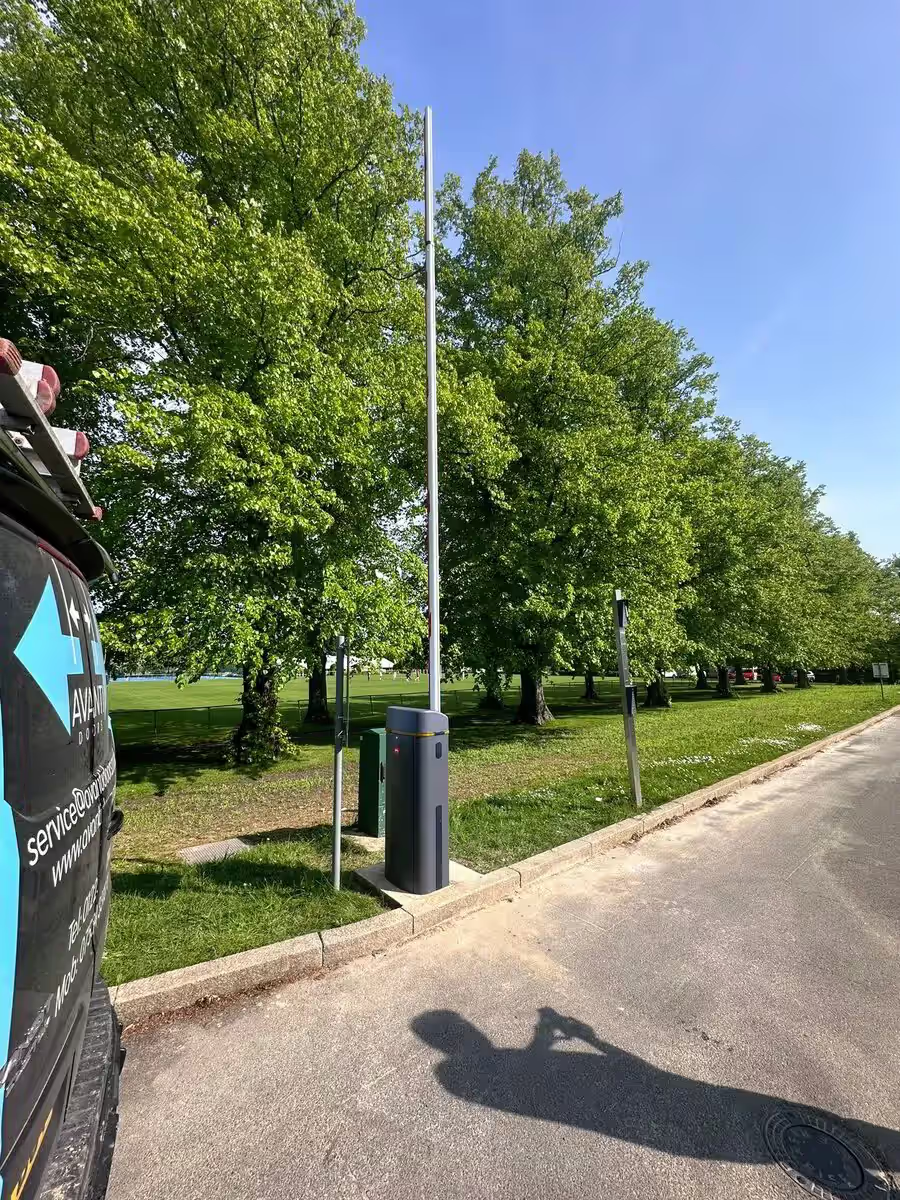
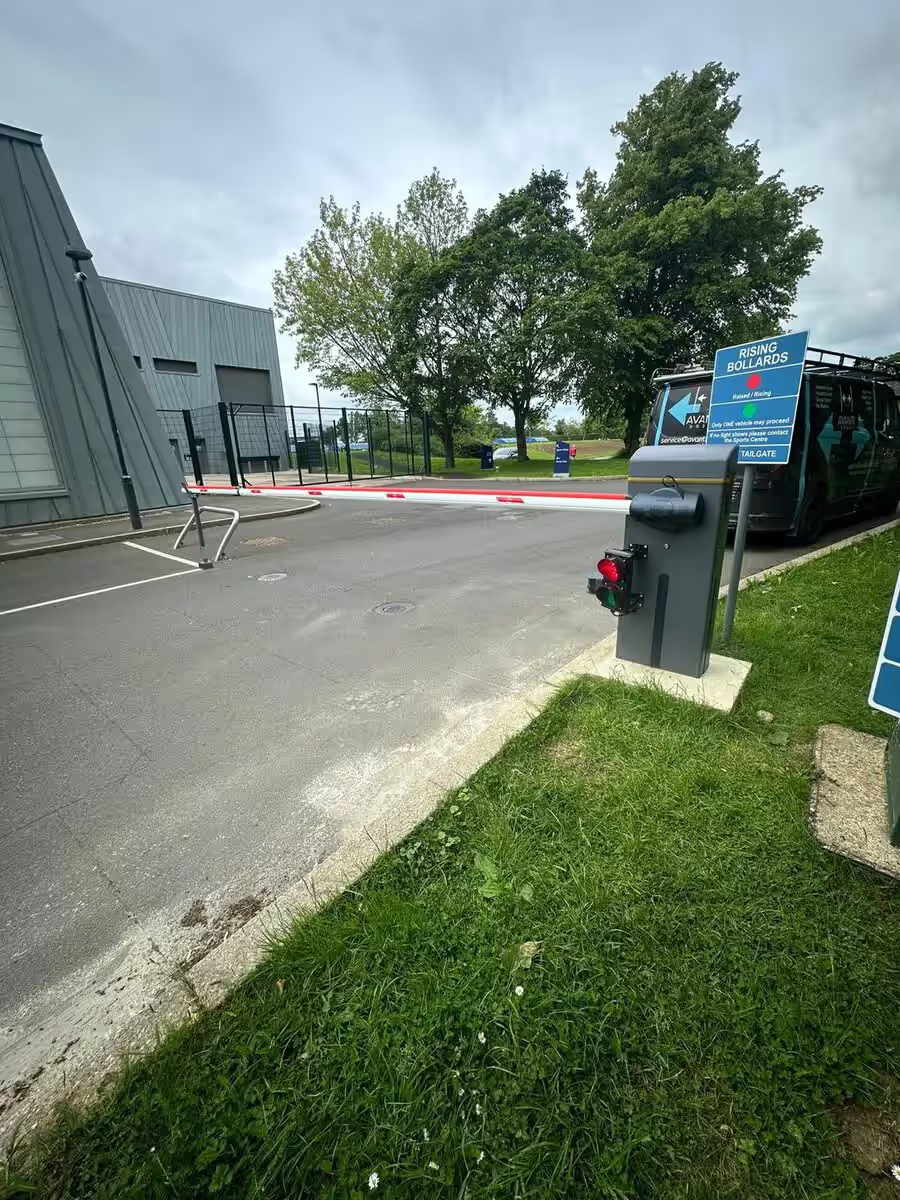
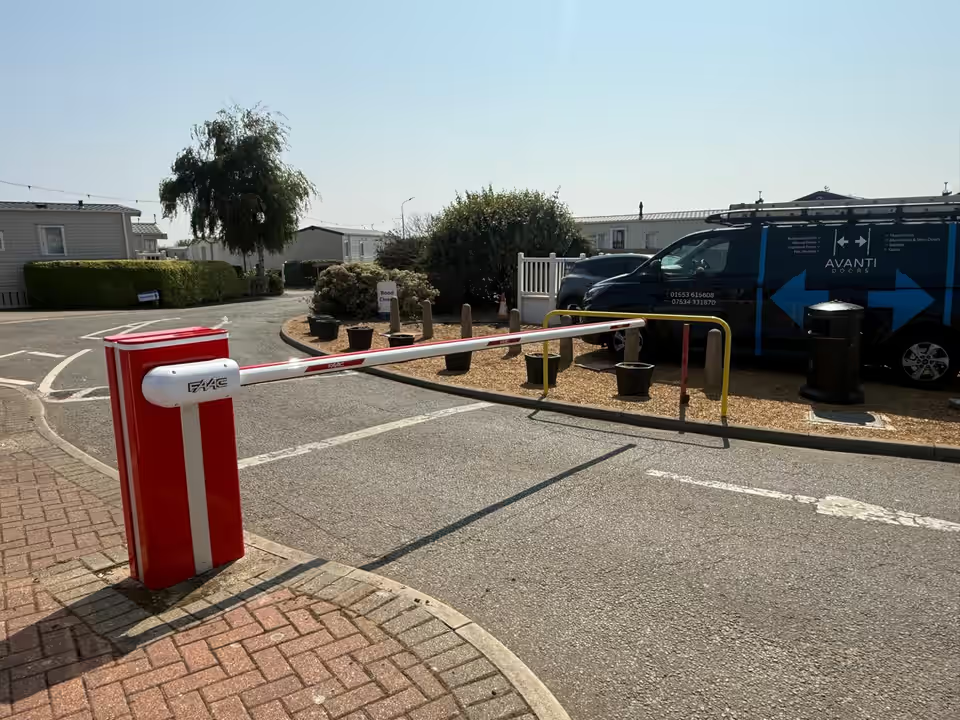
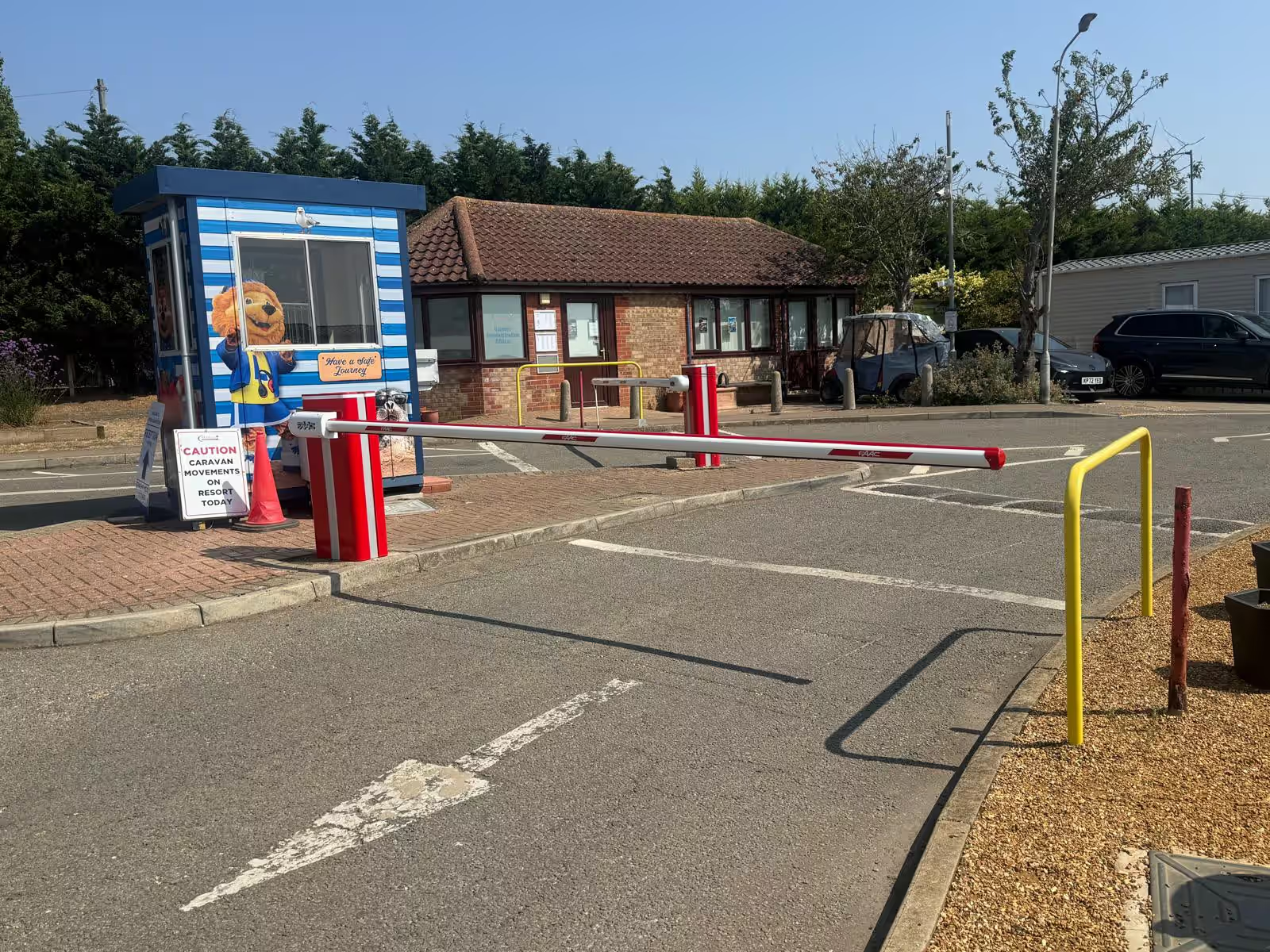
Our reference installation is the main entrance at Searles Leisure Resort in Hunstanton: a new FAAC barrier with heavy-duty cabinet and balancing mechanism, safety photocells, induction-loop detection, warning signage and tested power and comms, replacing a tired barrier at an entrance that carries holiday traffic all season. The same package scales from a single staff car-park lane to multi-lane entrances with ANPR and ticketing, which is covered on the car-park access control page.
Before specification
What the barrier survey establishes
Lane, traffic, detection and groundworks are scoped together so the barrier arrives once and works unattended from day one.
Arm length and cycle rate
Lane width sets the arm; traffic sets the drive. A staff car park cycling 200 times a day and a 24/7 logistics gate need different duty ratings, and the survey counts real movements, not guesses.
Detection and anti-crash
Induction loops in the carriageway detect vehicles for opening, safety and closing behind each movement; photocells and arm-impact behaviour protect anything the loops cannot see.
Access integration
Fobs, ticketing, intercoms, ANPR or a gatehouse control position, the barrier takes its orders from whatever credential system the site runs, existing or new.
Foundations and power
A barrier cabinet needs a proper foundation, ducting for loops and comms, and a protected supply, groundworks that are scoped up front so installation day is one visit, not three.
Common questions
Rising-arm barrier FAQs
Quick answers for site and facilities teams planning vehicle control.
1How fast does a rising-arm barrier open?
Typically 2 to 6 seconds depending on arm length and drive, quick enough that a correctly detected vehicle barely slows. That speed is exactly why barriers, not gates, control busy car parks: a gate secures a perimeter, a barrier manages flow.
2Can a barrier stop unauthorised vehicles?
A standard arm is a deterrent and traffic-management device, not a physical security barrier, it enforces rules, not rams. Where genuine vehicle mitigation is needed, the barrier pairs with rising bollards or heavy-duty gates, and we will say so at survey rather than oversell the arm.
3What does barrier maintenance involve?
Balancing spring, gearbox, arm fixings, loops, photocells and controls are inspected and adjusted on a planned schedule, high-cycle barriers work hard, and a snapped balance spring or drifting loop detector is the classic avoidable failure. Repairs to existing barriers, whoever installed them, are everyday work.
4Can you give a real example of a barrier installation?
At Searles Leisure Resort in Hunstanton we installed a new FAAC automatic barrier at the main entrance, heavy-duty cabinet, arm and balancing mechanism, safety photocells, induction-loop detection reusing the existing loop, warning signage, power and comms, with IR and continuity testing and O&M documentation at handover. The full scope is on the project page.
Barrier support
Put the entrance on autopilot
From a single replacement barrier to a fully detected, access-controlled entrance, we survey, install and maintain rising-arm barriers as one documented scope.
- Support scope
- FAAC and equivalent barrier systems
- Induction loops, photocells and signage
- Access-control integration
- Repairs and planned maintenance
Documented work
Recent barrier projects
These project pages describe the actual equipment, site and work completed.
Explore more