

Automatic Gates
Sliding & Cantilever Gates
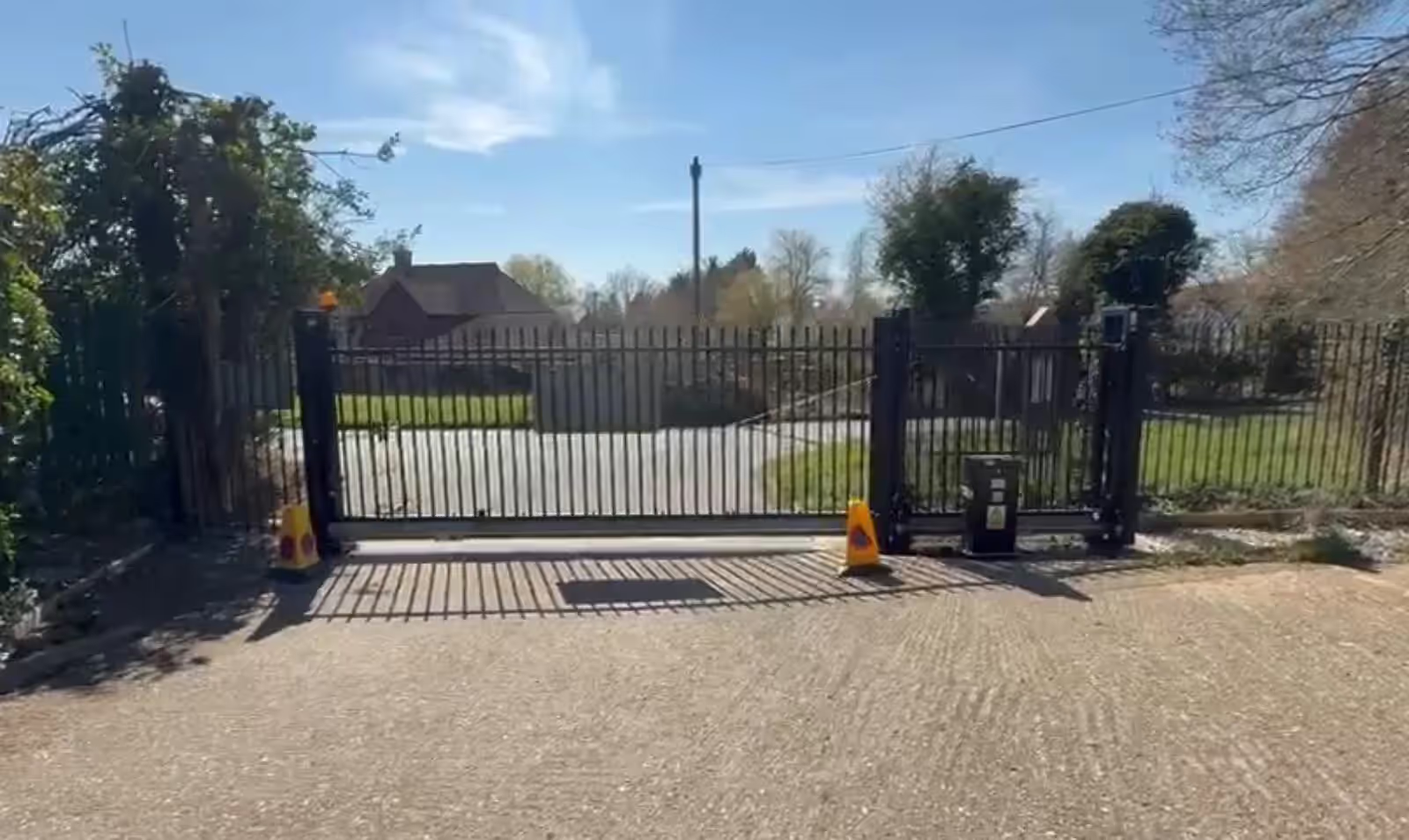
Tracked and track-free sliding gates for wide, busy vehicle entrances, installed with EN 12453 safety, automated, serviced and repaired.
Sliding & cantilever gates
Wide entrances, one moving leaf
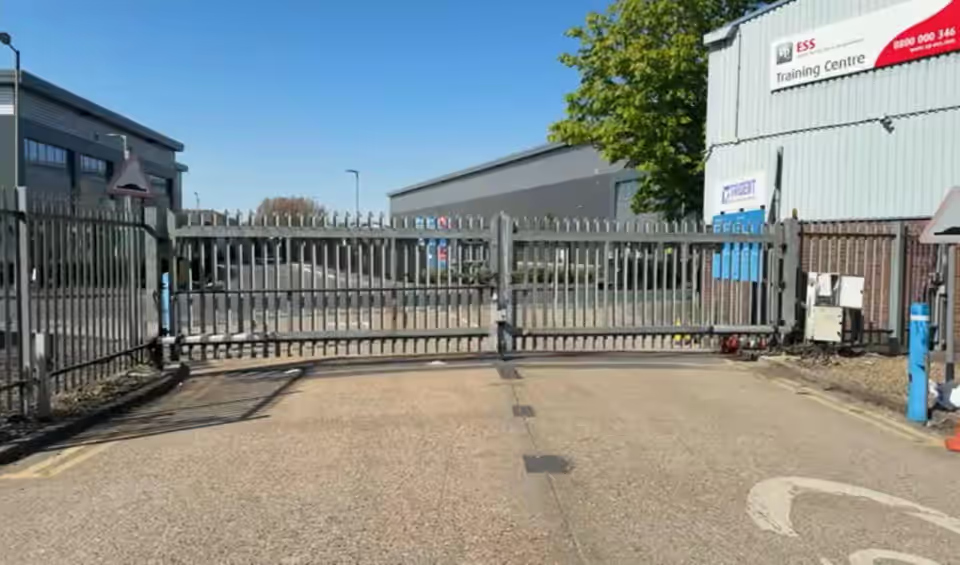
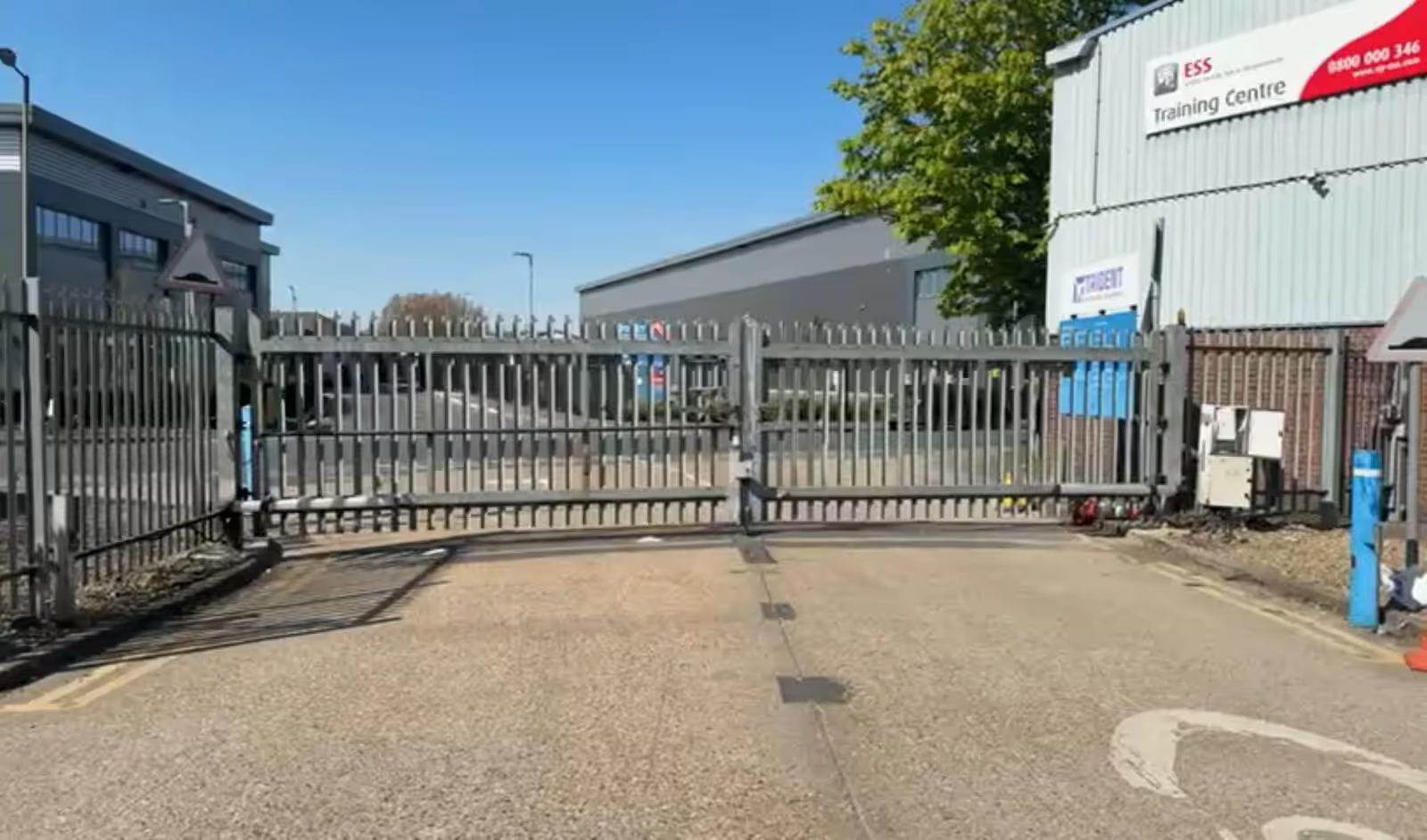
A sliding gate closes a wide vehicle entrance with a single moving leaf that parks along the fence line, no swing arc into the yard or the road, which is why depots, logistics gates and busy commercial entrances default to them. Tracked gates run on a ground rail; cantilever gates carry the leaf clear of the ground entirely, so potholes, snow, gravel and cambered surfaces cannot stop them. Avanti Doors supplies, installs, automates, services and repairs both across the UK from our Norfolk base.
Where they fit
Yards, depots, estates and secure compounds
Sliding gates suit any perimeter where the entrance is wide, the traffic is vehicular and the space either side of the opening is worth keeping clear: distribution depots, builders' yards, managed estates, self-storage sites and car-park entrances. Because the leaf travels along the fence line rather than sweeping through an arc, vehicles can queue right up to the gate and nothing moves through the space where people stand.
The choice between tracked and cantilever is decided by the ground. Where the surface across the opening is sound and stays clear, a tracked gate is the economical, heavy-duty answer; where it is not, gravel, drainage falls, frost heave, constant HGV loading, a cantilever gate removes the problem by never touching it. Both are commissioned with the full automation and access-control package, force-tested to EN 12453, and supported afterwards, documented work includes the sliding-gate overhaul in South London and the app-controlled bi-folding gates at Shurgard Wandsworth, where tight run-back space called for folding leaves instead.
Before specification
What the gate survey establishes
Ground, span, duty cycle and safety zones are recorded before a gate or motor is proposed, the entrance is engineered as one machine.
Tracked or cantilever
A level, maintained surface suits an economical tracked gate; uneven ground, debris or drainage runs across the opening point to a cantilever, which needs extra run-back room for its counterbalance tail.
Leaf, span and duty
Opening width, leaf weight, infill (bars, mesh, boarded) and daily cycles set the motor, gearbox and control specification, a 12-metre depot gate is a different machine from a 4-metre estate gate.
Safety to EN 12453
Powered gates are machinery: safety edges on crush and shear points, photocells across the opening, force limitation and E-stops are specified to the standard and force-tested at commissioning.
Access and controls
Fobs, keypads, intercoms, GSM, ANPR or app-based control decide who gets in unattended, and how visitors, deliveries and emergency services are handled.
Common questions
Sliding & cantilever gate FAQs
Quick answers for site and facilities managers planning gate work.
1What is the difference between a tracked sliding gate and a cantilever gate?
A tracked gate rolls on wheels along a steel rail set into the surface, simple, economical and good for very heavy leaves, but the rail must stay clear and the surface level. A cantilever gate suspends the leaf from rollers inside a ground-mounted beam so nothing touches the ground across the opening; it costs more and needs around half the opening again in run-back space, but it shrugs off the surface problems that stop tracked gates.
2Can you automate our existing sliding gate?
Often, yes, if the leaf, rollers and supporting structure are sound, a motor, controls and the full EN 12453 safety package can be retrofitted. At a South London site we overhauled an existing sliding gate mechanically and electrically and returned it to safe automatic operation rather than replacing it. The survey confirms which route is more economical.
3What safety rules apply to powered gates?
Powered gates are workplace machinery under HSE guidance, with EN 12453 setting the safety-in-use requirements: protected crush, shear and draw-in points, photocells, limited forces and emergency release. Forces are measured at commissioning and rechecked at service visits, several well-publicised accidents have come from gates that were never force-tested. Our engineers hold Gate Safe qualifications and Avanti is a DHF member.
4How often should an automatic gate be serviced?
At least annually, and six-monthly for high-cycle or public-facing gates: rollers, rack and pinion, gearbox, safety edges, photocells and force limits all drift with wear. Each visit is documented so the site can show its powered gate is being managed as safety equipment.
Gate support
Close the perimeter without slowing the traffic
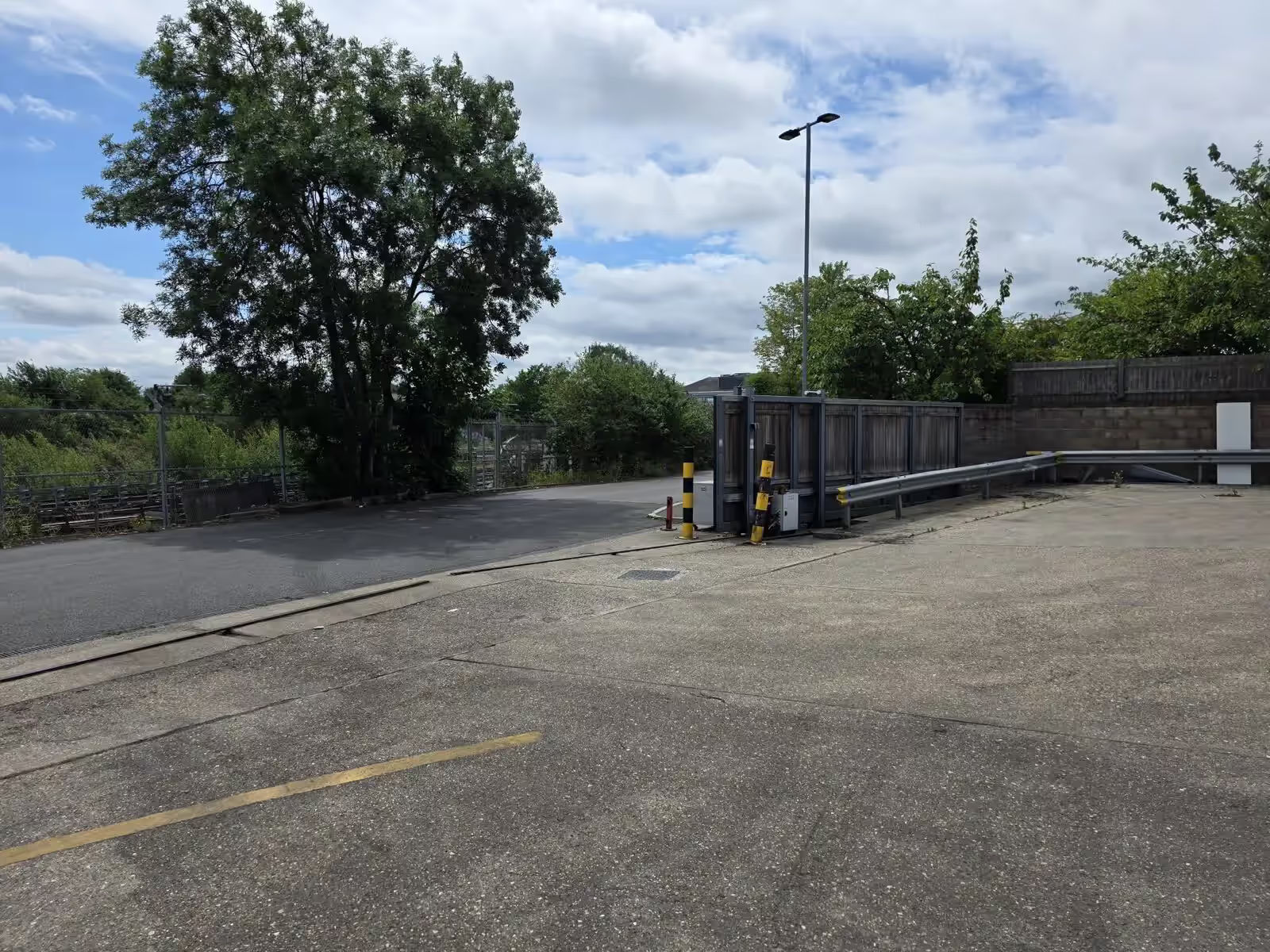
Send us the opening width, a photo of the entrance and how many vehicles cross it daily, we will recommend tracked, cantilever or folding, with the safety package the standard requires.
- Support scope
- Tracked, cantilever and bi-folding systems
- EN 12453 force testing at commissioning
- Gate Safe qualified engineers · DHF member
- Repairs and planned maintenance
Documented work
Recent gate projects
These project pages describe the actual equipment, site and work completed.
Explore more