
Manual Doors
Fire Doors
Fire-rated doorsets and escape hardware for commercial buildings, supplied, installed, inspected and maintained as complete assemblies.
Fire doors
Everyday doors with a life-safety job
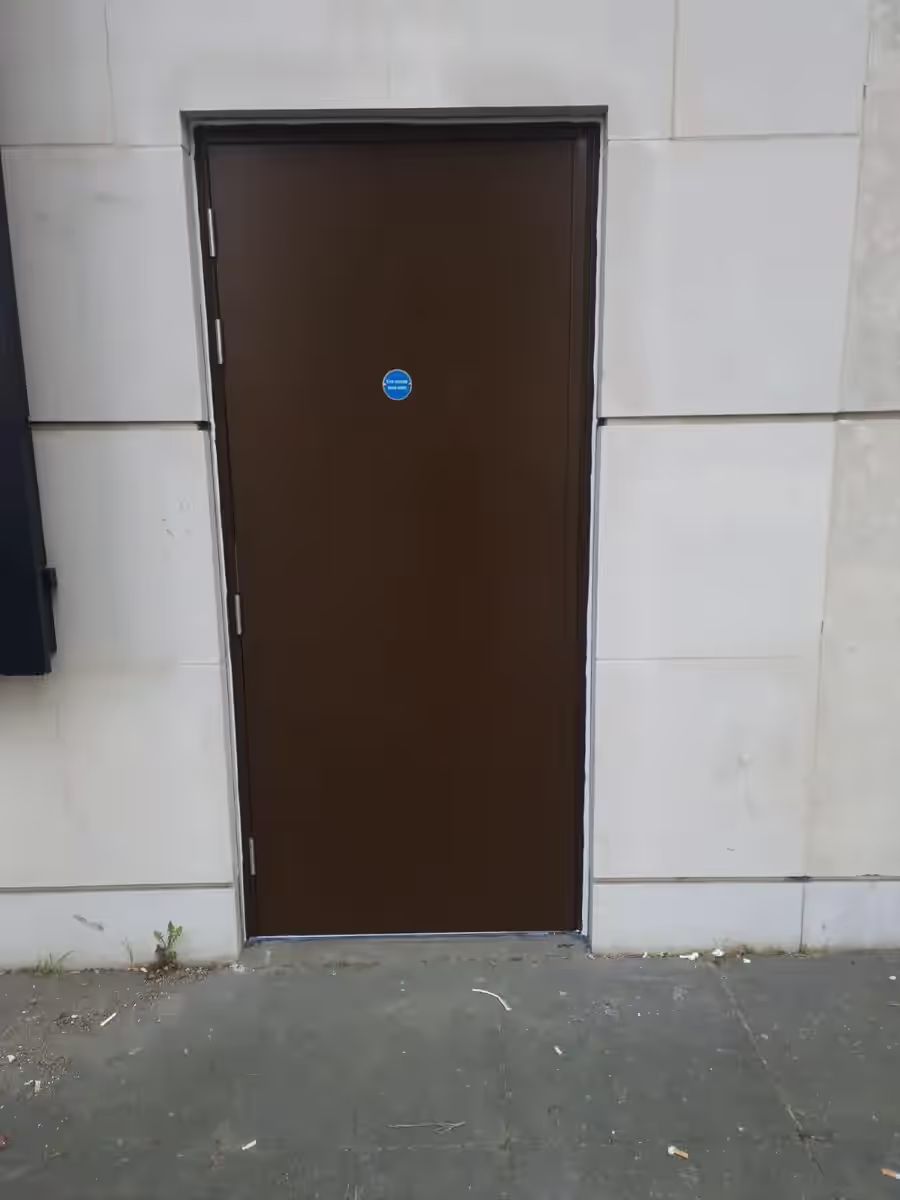
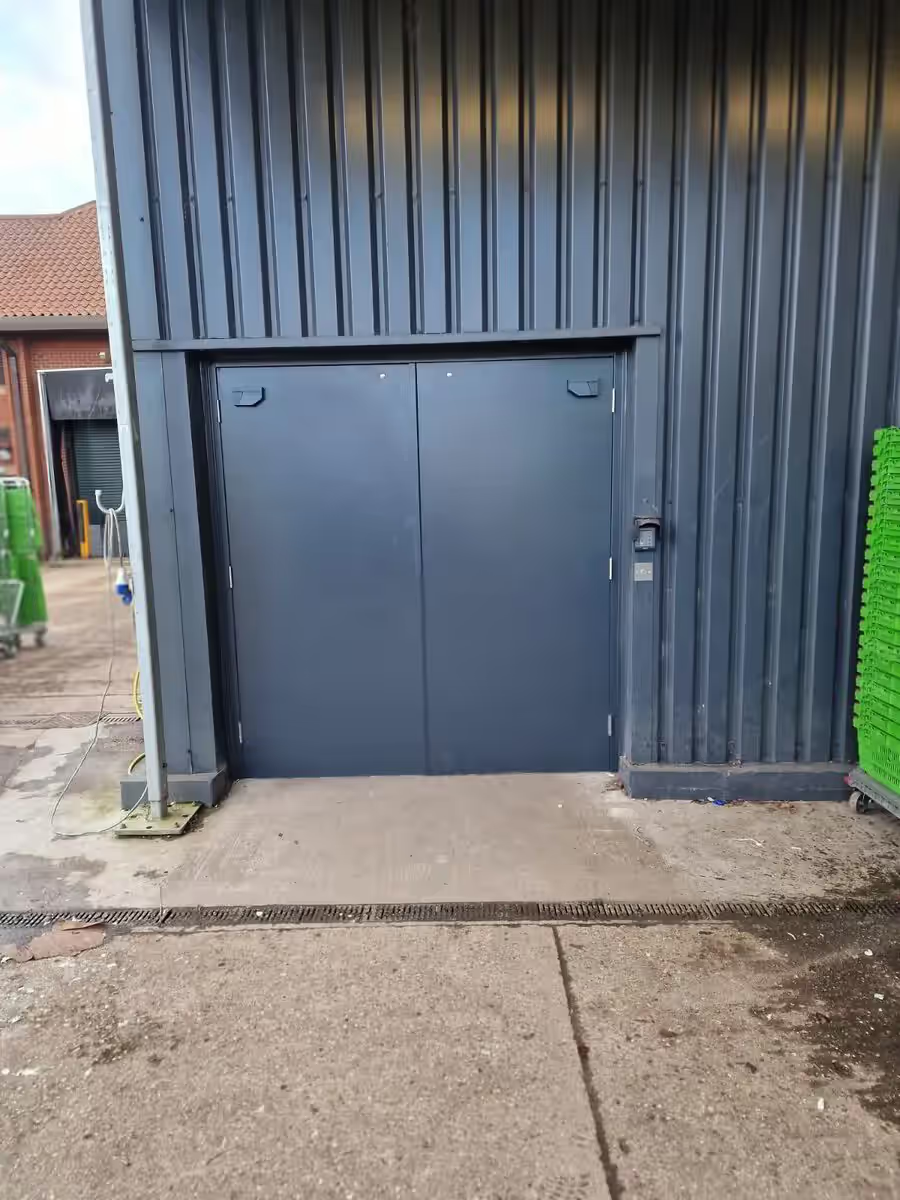
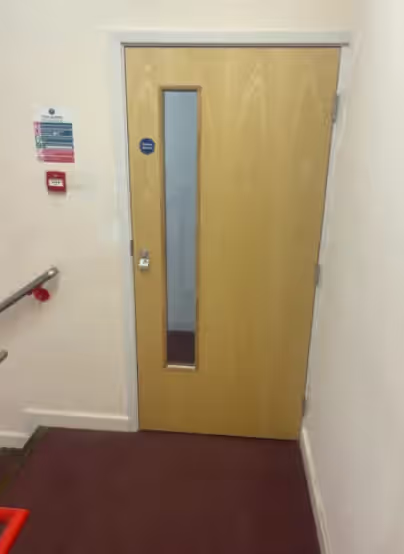
A fire door is a life-safety assembly doing an everyday job: it must open easily a hundred times a day, then close, latch and hold back fire and smoke on the one day that matters. That dual life is why fire doors are specified, installed and maintained as complete doorsets, leaf, frame, seals, glazing, closer and hardware working together. Avanti Doors supplies, installs, inspects and maintains commercial fire doors and escape doorsets across the UK from our Norfolk base.
Where they fit
Corridors, stairwells, kitchens and escape routes
Every commercial building runs on fire doors: the corridor doors that hold smoke out of the escape route, the stairwell doors protecting the way down, the kitchen, plant-room and store doors boxing in the risks, and the final-exit doors that must open first time under a panic bar. Offices, schools, care settings, hospitality and residential blocks all carry dozens of them, and under the Fire Safety Order the responsible person has to be able to show they work.
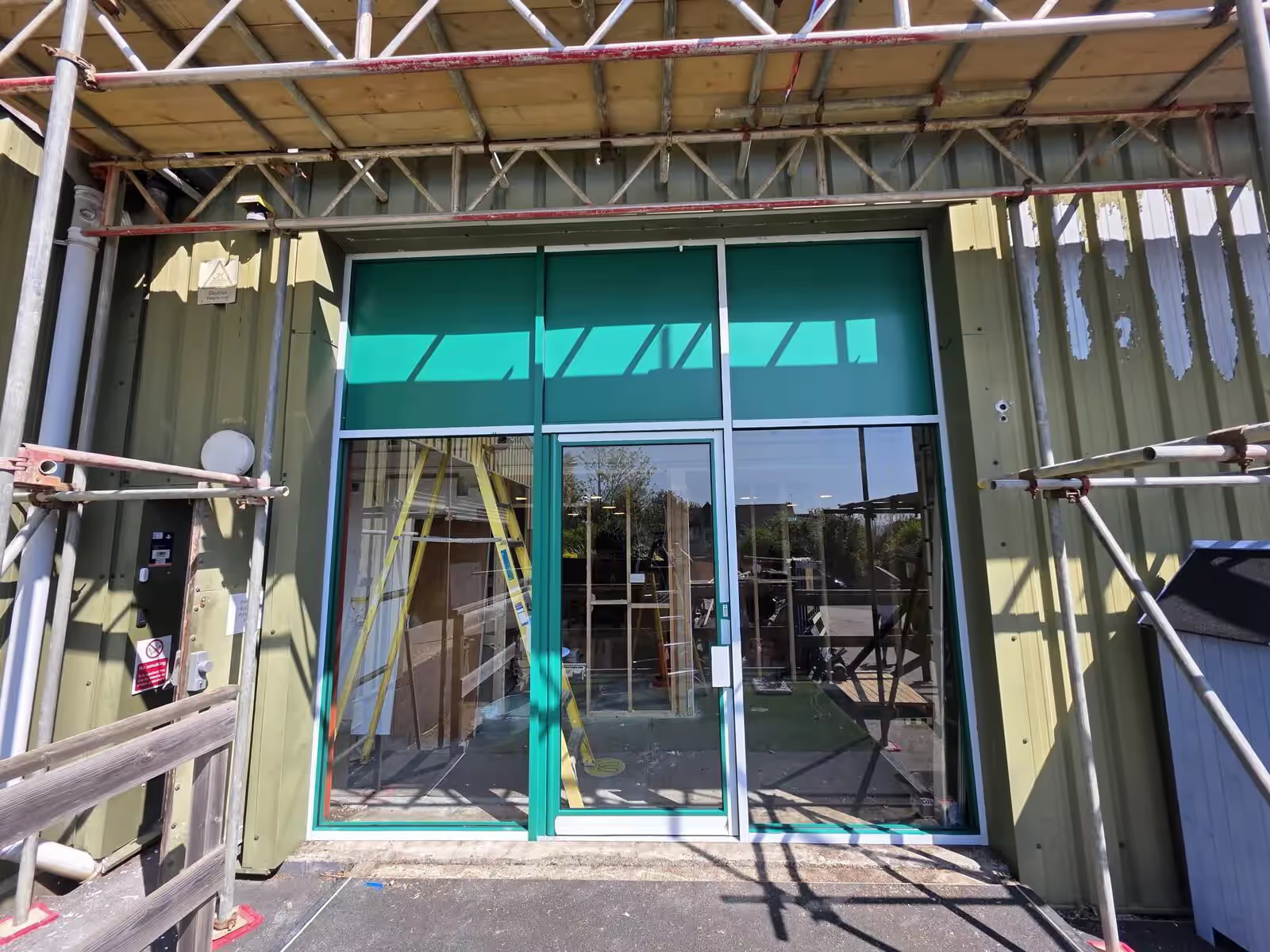
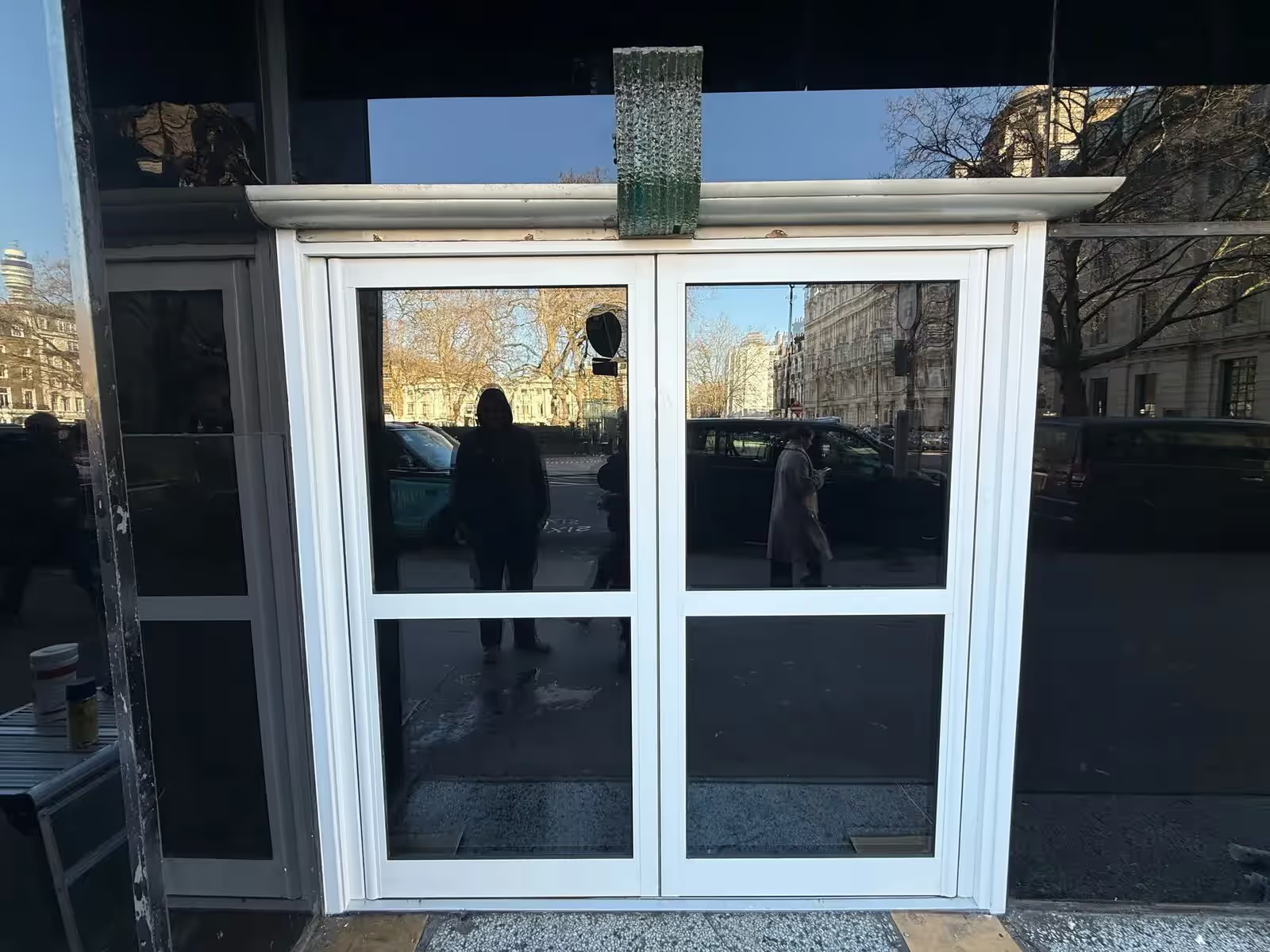
Our work covers the full cycle: new fire-rated doorsets specified to the strategy and fitted as tested assemblies; escape doors with panic hardware, like the aluminium final-exit and fire door sets we installed in Crawley; and the unglamorous work that keeps ratings real, seals, closers, gaps and latches inspected, adjusted and recorded. Our fire door compliance guide covers what building owners should be checking between visits, and where an opening is not pedestrian at all, a fire shutter holds the compartment line instead.
Before specification
What the fire-door survey establishes
Rating, assembly, hardware and records are assessed together, a fire door is only as good as its weakest fitted component.
Rating and location
The fire strategy sets where FD30 or FD60 performance is required, corridors, stairwells, plant rooms, kitchens, and the doorset's test evidence must match the configuration actually installed.
The complete assembly
Intumescent and smoke seals, fire-rated glazing, hinges, closer and latch are part of the tested doorset; substituting or omitting one component undermines the rating of the whole.
Escape hardware
Panic bars and push pads on escape routes, closers that people will not wedge open, and access control that always releases on alarm, the door must protect and let people out.
Condition and records
Gaps, damage, wedges, missing seals and slamming closers are the everyday failures. Inspection and repair records show the responsible person is managing the doors as safety equipment.
Common questions
Fire door FAQs
Quick answers for responsible persons and facilities managers.
1How often should commercial fire doors be inspected?
Best practice, and, for many residential and higher-risk buildings, a legal requirement under the Fire Safety (England) Regulations, is routine checks at least quarterly for doors in regular use, with a competent inspection at suitable intervals and every finding recorded. High-traffic doors deteriorate fast: seals get painted over, closers drift, leaves get wedged. Regular checks and prompt repair keep the rating real, not nominal.
2What is the difference between FD30 and FD60 doors?
The number is minutes of tested fire resistance, 30 or 60. Which one an opening needs comes from the building's fire strategy and risk assessment, not preference: corridor doors are commonly FD30, while higher-risk rooms and some compartment walls demand FD60. The doorset's certification must match the leaf size, glazing and hardware actually fitted.
3Can a fire door be repaired, or must it be replaced?
Plenty of faults are repairable, seals, closers, hinges, latches, gaps adjusted back into tolerance. But a leaf that is split, delaminated, modified or badly fitted has lost its tested performance and needs replacing as a doorset. We assess honestly against the door's certification rather than defaulting to either answer.
4Do you install fire exit doors and panic hardware too?
Yes, final-exit doorsets with panic bars and pads are core scope, like the aluminium final-exit doors with glazing and panic hardware we supplied and fitted in Crawley. Escape doors get the same complete-assembly treatment: leaf, frame, hardware and signage working together.
Fire door support
Keep every rating real
From new doorsets to inspection-and-repair rounds across a whole building, we keep fire doors compliant, documented and working as the safety equipment they are.
- Support scope
- Complete tested doorsets, not mixed parts
- Escape and panic hardware
- Inspection, adjustment and records
- Honest repair-or-replace assessments
Documented work
Recent fire-door projects
These project pages describe the actual equipment, site and work completed.
Explore more