
Sectors
Healthcare
Accessible entrances, fire-door support and maintenance planned around clinical hours, for hospitals, clinics and care homes.
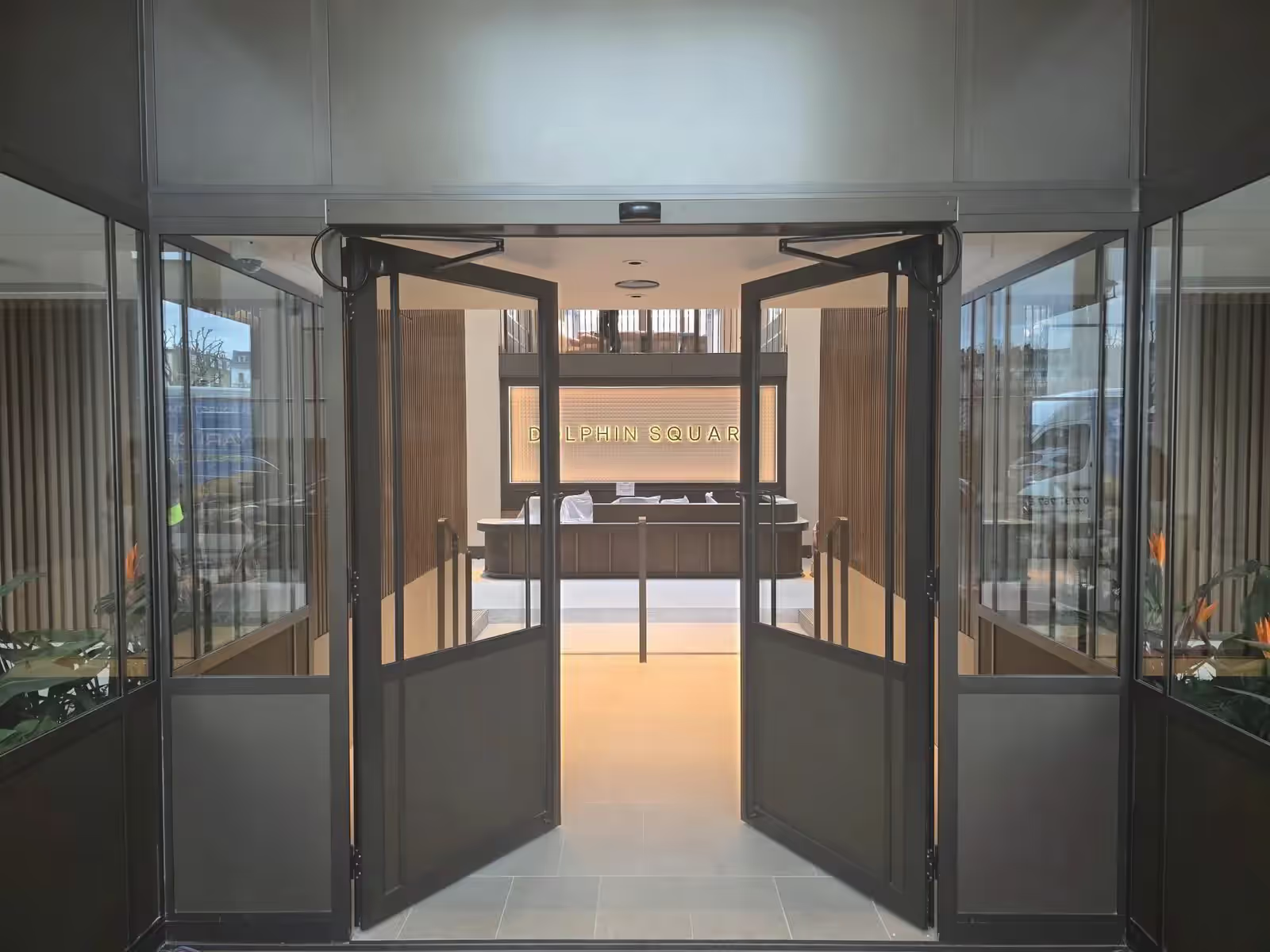
Healthcare door specialists
Entrances planned around patient access
In a hospital, clinic or care home, a door is never just a door. The main entrance has to work for patients and visitors with different mobility needs. Ward and corridor fire doors need an appropriate inspection and maintenance regime. Avanti Doors supports healthcare estates teams with automatic entrances, touch-free access, fire-door inspection and repair, and planned maintenance scheduled around clinical hours across the UK from our Norfolk base.
What we look after
Door support for healthcare estates
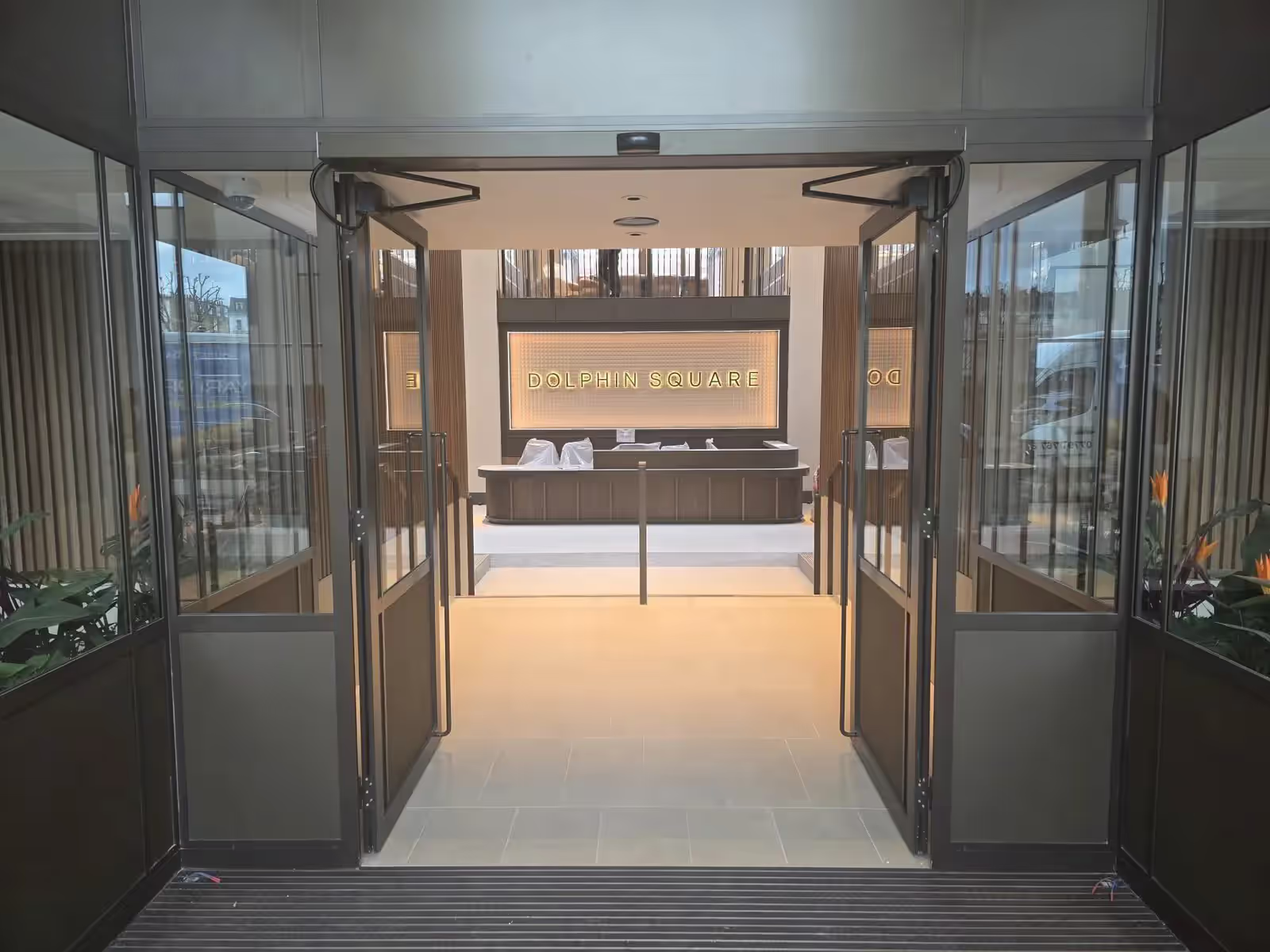
Accessible Automatic Entrances
Sliding and swing operators set up so entrances open reliably for wheelchairs, walking aids, beds and trolleys, supporting your accessibility duties under the Equality Act and Part M guidance.
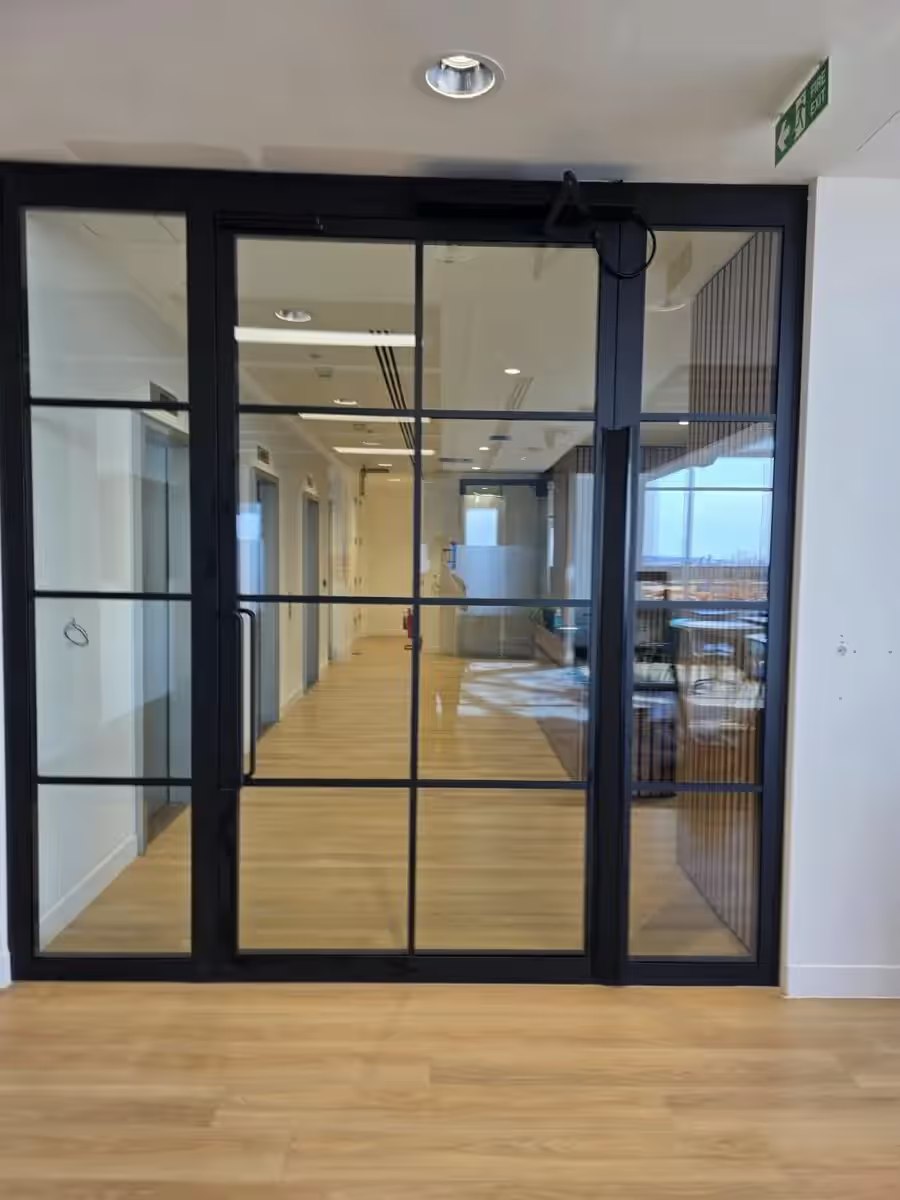
Touch-Free & Hygiene-Conscious Access
Sensor-activated doors and low-touch operators that cut shared contact points on high-traffic clinical routes and ward entrances.
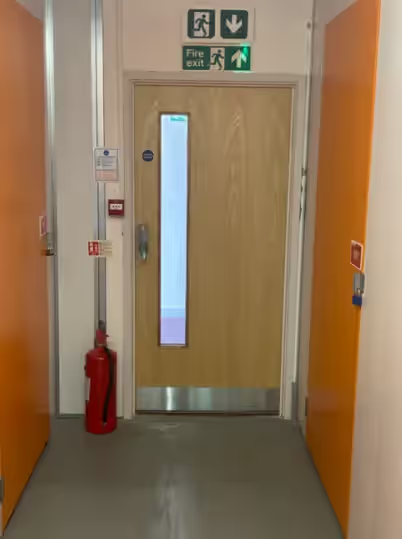
Fire Door Inspection & Repair
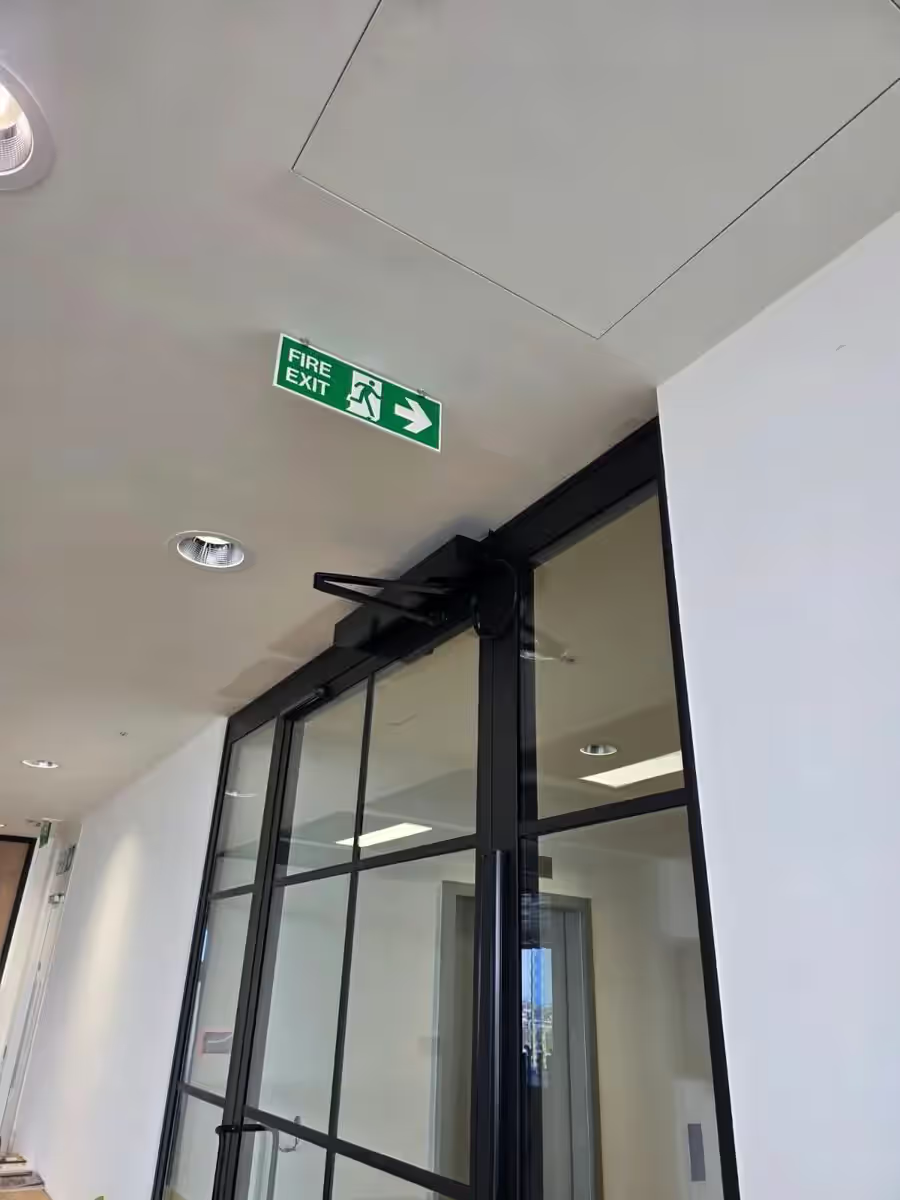
Inspection, adjustment and repair of fire doors and closers on wards, corridors and escape routes, with the agreed checks recorded.
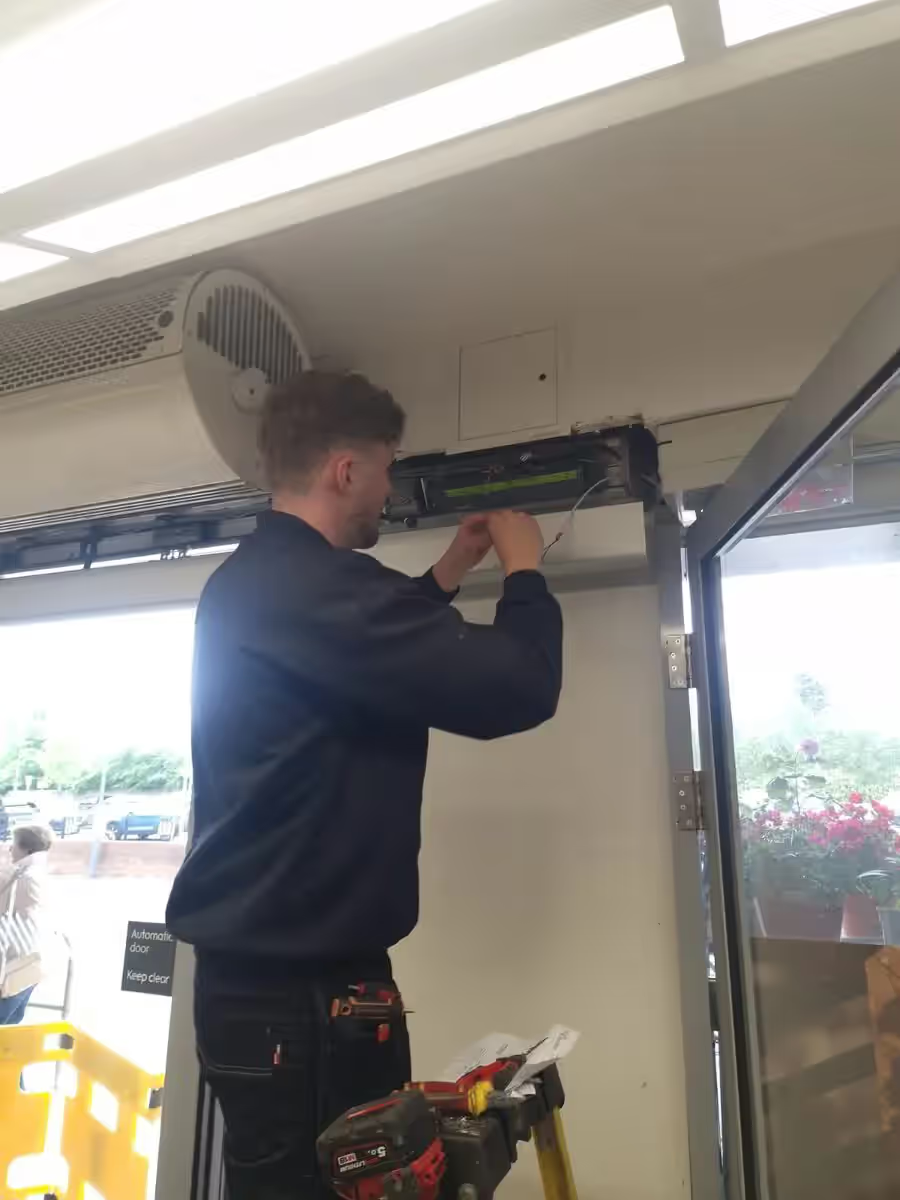
Planned Maintenance Around Clinical Hours
Where the site allows, servicing can be scheduled for quieter periods and one entrance at a time to reduce disruption.
Why Avanti
Built for the way healthcare sites run
Estates managers get one service team for entrances, fire doors and automatic operators, planned around clinical hours and documented to the agreed scope.
Minimal-disruption working
Visits planned with your estates team around clinical hours, with entrances kept usable while we work.
BS EN 16005 safety checks
Where applicable to the agreed scope, powered entrances receive force, sensor and safety-device checks.
Documented service records
A written report after each visit, evidence for estates files, insurers, auditors and inspections.
Agreed reactive support
Urgent-fault priorities and coverage are set around the estate's locations and operational risks.
Mixed-equipment estates
An asset survey confirms the automatic and manual door systems included in the maintenance scope.
Site-aware working
Engineers work to the sign-in, permit, access and infection-control procedures agreed with the estates team.
Compliance & records
Evidence your estates file can rely on
Healthcare estates need clear records as well as engineering support. The agreed visit report records what was inspected, tested, adjusted or repaired so the estates team can maintain its own safety and compliance files.
- Healthcare compliance
- BS EN 16005 force and sensor checks on powered entrances
- Agreed fire-door checks recorded in writing
- Reactive priorities agreed for contracted sites
Common questions
Healthcare door services FAQs
Quick answers for estates and facilities teams in hospitals, clinics and care homes.
1Can you service our doors without disrupting clinics or wards?
Yes. We plan visits with your estates team around clinical hours and agree the phasing, work area and alternative route before taking an entrance out of service. Engineers follow the site's sign-in and access procedures throughout.
2Do you maintain automatic doors to accessibility and safety standards?
Where applicable to the agreed scope, powered entrance doors receive force, sensor and safety-device checks against BS EN 16005. Operators, sensors and opening times can also be assessed for the people and equipment using the route, including wheelchairs, walking aids, beds and trolleys.
3What records do we get for audits and inspections?
The agreed visit record identifies what was inspected, tested, adjusted or replaced, on which asset and when. Estates teams can retain those records for maintenance, insurance, audit and fire-safety files across the sites in scope.
Keep exploring